Sliding-Door Cabinets: Order and Practicality with Minimal Footprint

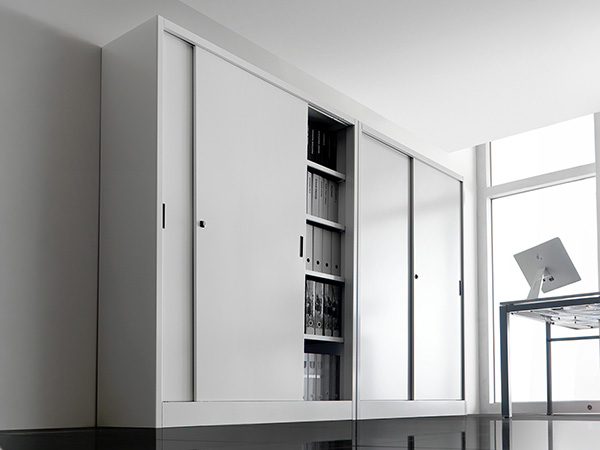
Sliding-door cabinets are the most effective choice when circulation space is limited: they keep corridors and workstations clear, reduce overall footprint and provide organised storage even in compact environments. When designed around modules and functions, they become a clean storage wall that integrates with the office and remains easy to manage over time.Sliding-door office cabinets are modular storage systems with doors that move along tracks, making them ideal for corridors and narrow spaces because they require no front clearance for opening. They organise documents and materials using shelves, drawers and filing systems, protect confidential contents with locks and improve visual order through coordinated finishes and bespoke solutions.

Sliding opening Robust structure Integrated security Coordinated design Compact storage
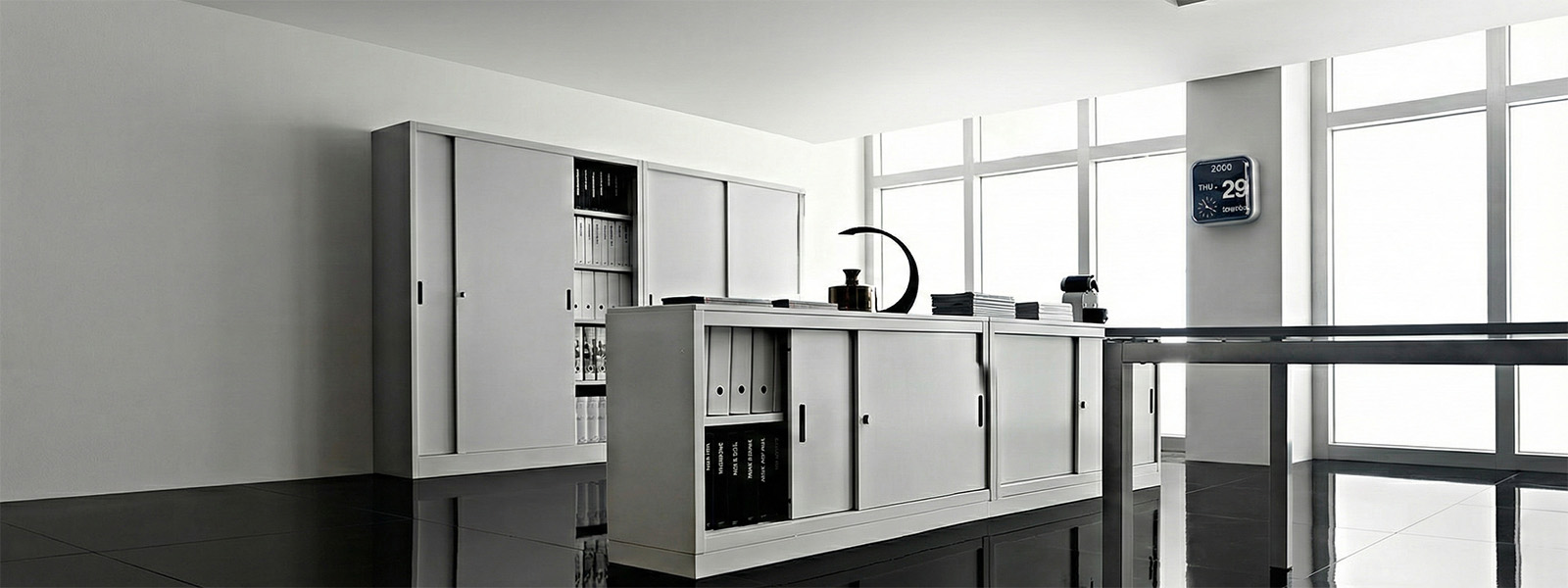
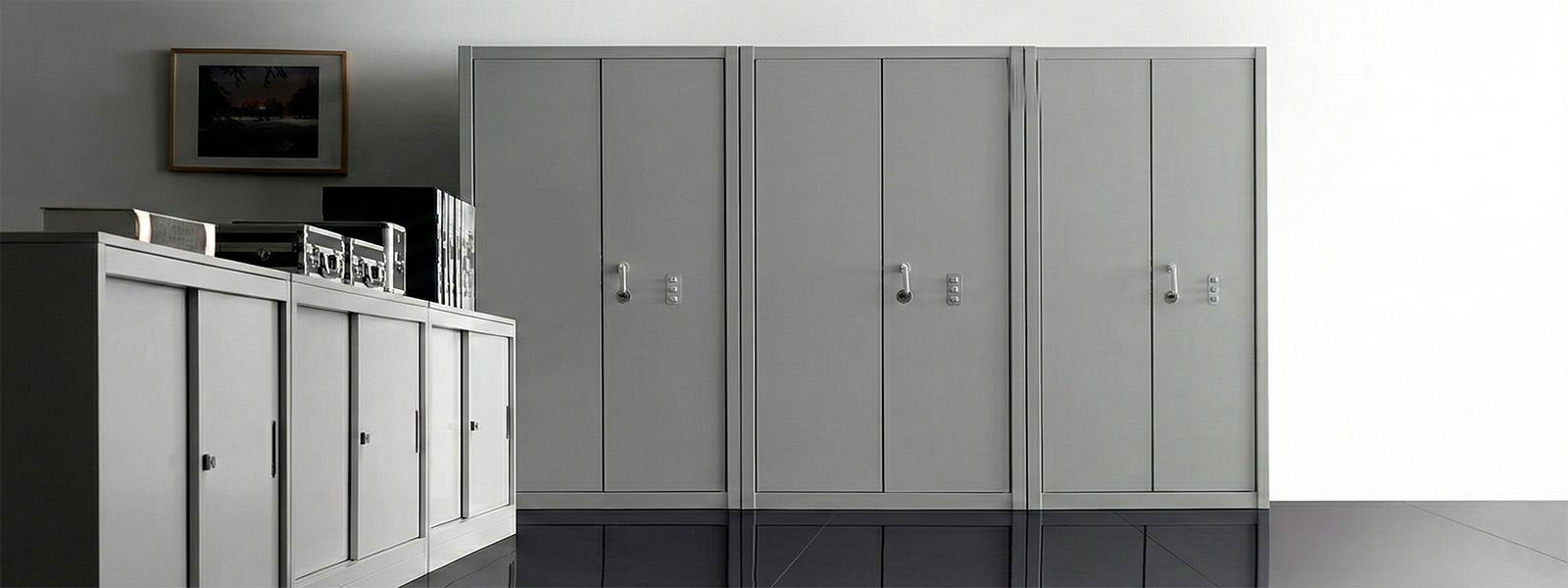
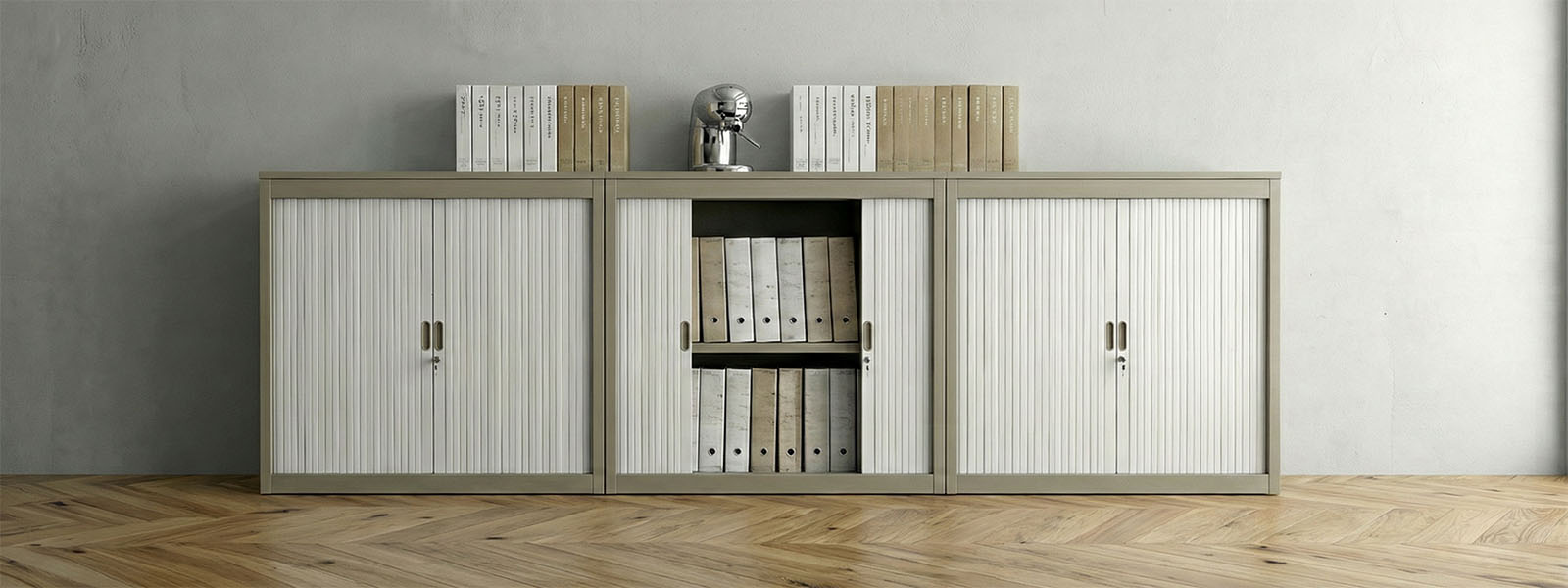
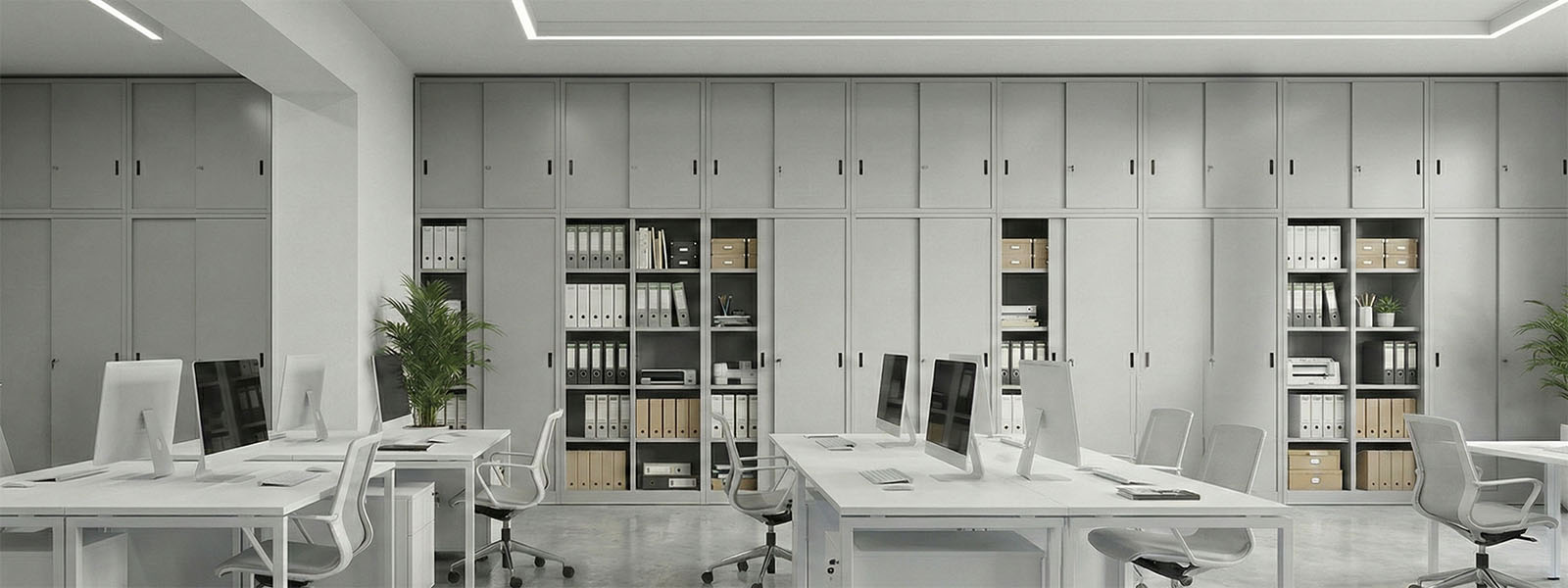
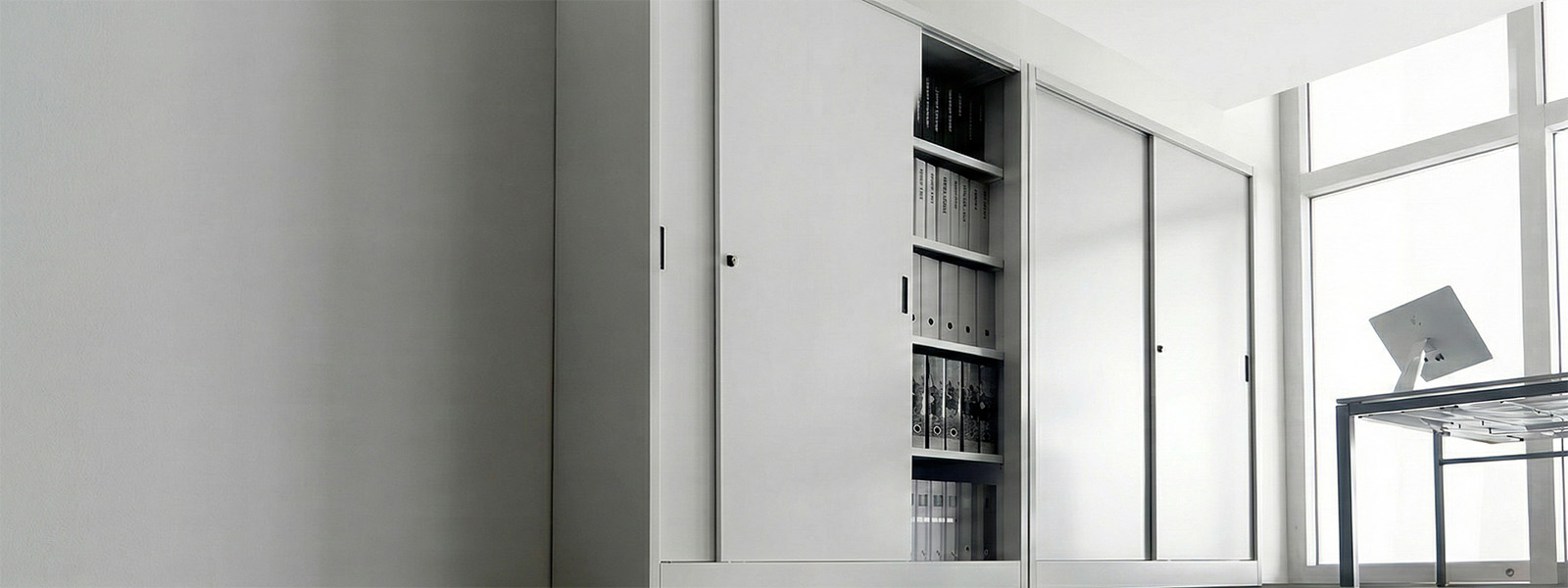
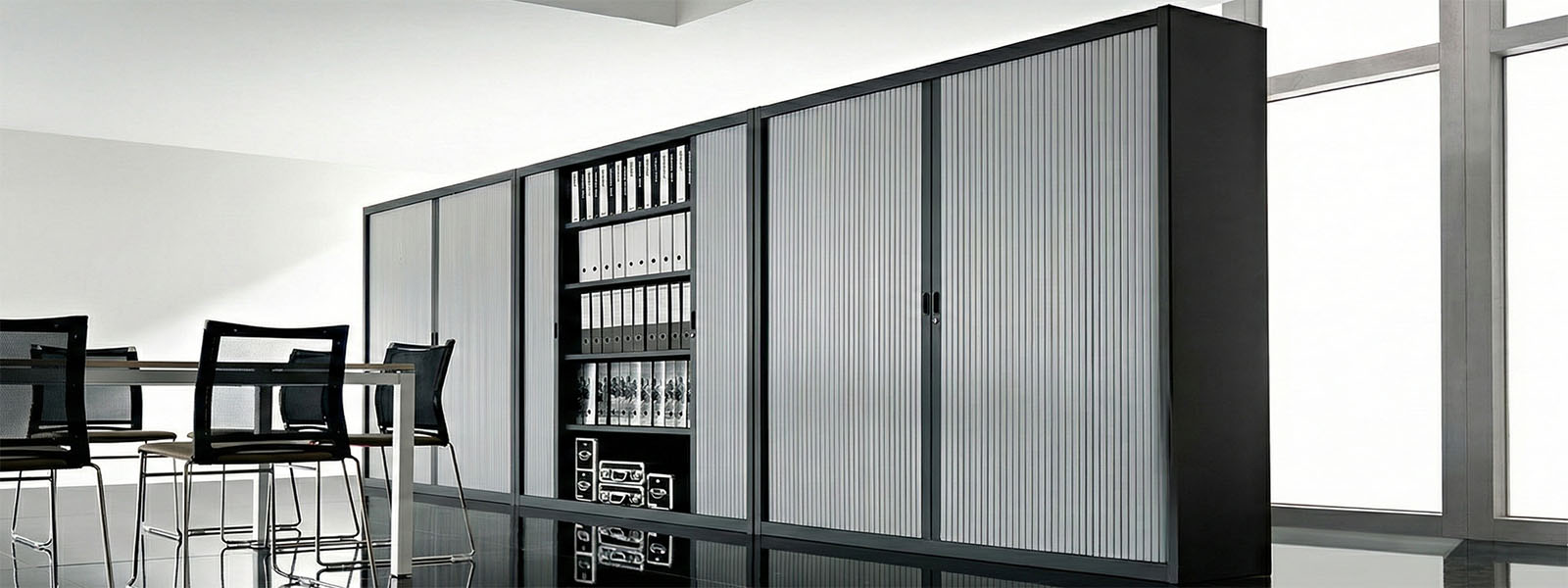
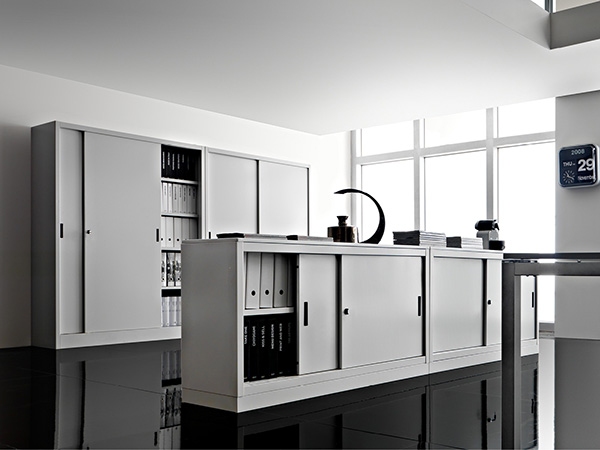
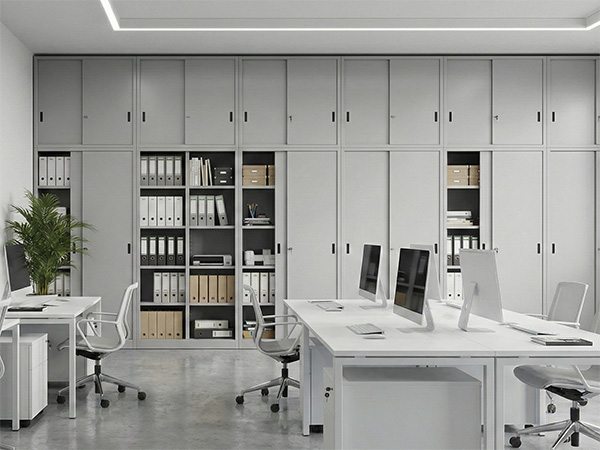
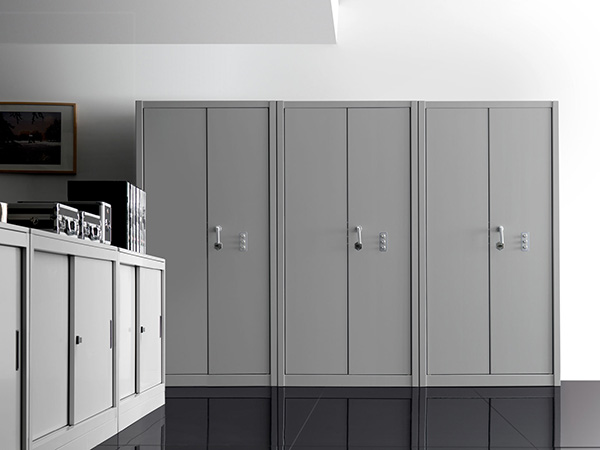
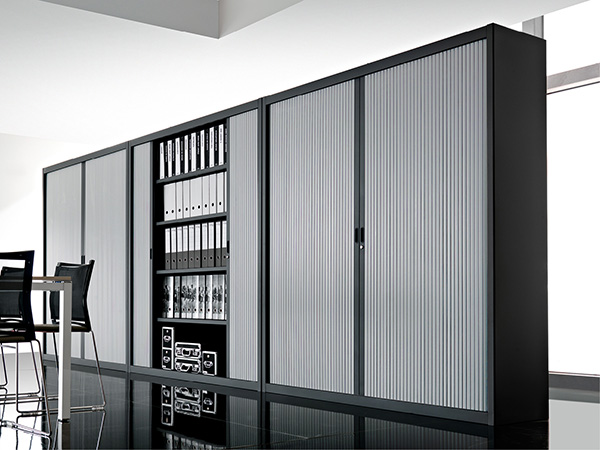
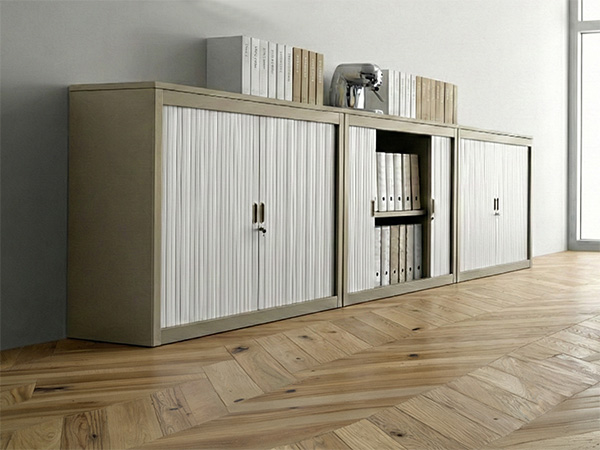
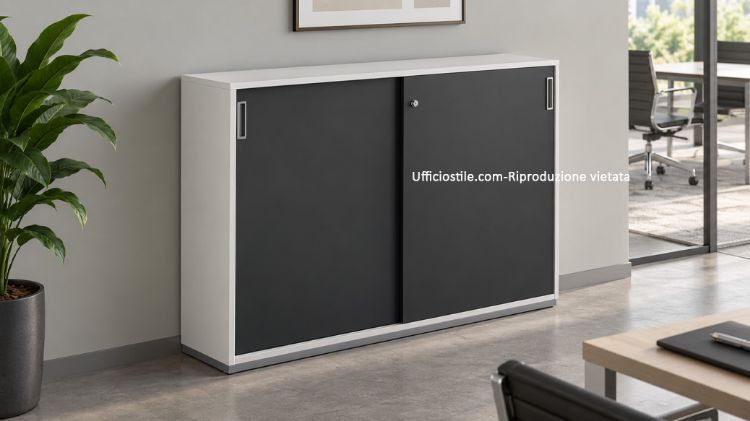
Office cabinets with sliding doors in a space-saving corridor Sliding-door cabinets in an operational open-plan office Sliding-door cabinet with wood finish in an executive area Sliding-door cabinet with wood finish in an executive areaSliding-door cabinet with wood finish in an executive areaSliding-door cabinet with wood finish in an executive area
Velvet
 

Space-Saving Sliding Cabinets for Corridors and Passageways

More freedom in front, the same storage capacity.
In circulation areas, behind rows of workstations or in offices with narrow corridors, sliding doors eliminate the space required for door opening and make access more convenient. They are the natural solution when you need proper storage without sacrificing valuable space for circulation and safe movement.

Technical detail of sliding-door cabinet tracks and lock
Typical configurations of sliding-door cabinets in an office

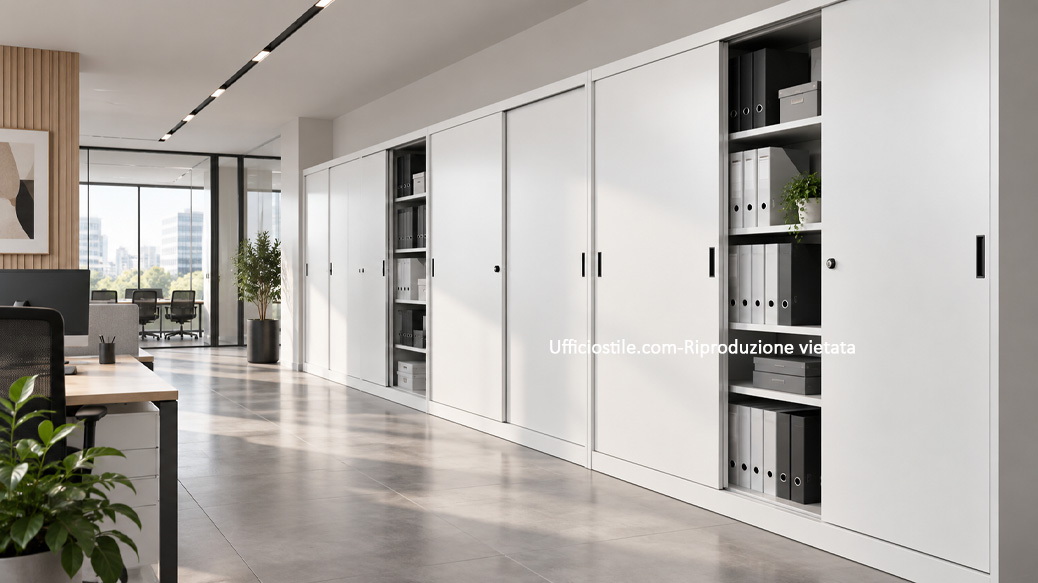
Full-Height Sliding Storage Walls

Continuous storage, clean appearance.
At full height, sliding cabinets become an orderly and uniform storage wall: adjustable shelves and organised compartments help manage binders, materials and equipment without clutter. The continuity of the fronts reduces the visual noise typically associated with archive areas and maintains a more professional and coherent environment.


Hybrid Sliding Cabinets (Closed Storage + Functional Modules)

Order outside, organisation inside.
Sliding cabinets work particularly well with interiors designed for specific tasks: shelves for binders, filing systems for documents, compartments for shared materials and accessories. The exterior remains clean and uncluttered, while the interior follows a clear organisational logic that reduces time wasted searching, accumulating materials or leaving them on desks.

Technical detail of sliding-door cabinet tracks and lock
Detail of quiet sliding doors with security lock

Security and Acoustic Comfort in Shared Areas

In shared offices and reception areas, it is important to reduce noise and protect documents. Quiet sliding systems, sound-absorbing seals and secure closures help limit impacts, vibrations and accidental opening, keeping the environment quieter and more professional. Integrated locks, including RFID-controlled systems, make it possible to manage access to files, HR archives or sensitive materials without compromising a clean aesthetic.

Modularity and Integration with the Interior Design

Modules from 80 to 160 cm wide make it possible to create continuous fitted storage walls by combining sliding-door cabinets, open bookcases and closed storage units. Customisable finishes, from neutral colours to wood effects, make coordination with desks, wall panelling and partition walls easier. Storage therefore becomes an integral part of the interior design, contributing to a sense of order and consistency across different company departments.

Fitted wall with sliding-door cabinets integrated with bookcases
Detail of self-lubricating tracks and demountable sliding-door cabinet structure

Low Maintenance and Long Service Life

Self-lubricating tracks, dust-resistant doors and demountable structures simplify long-term management, making sliding-door cabinets suitable for archives with high document turnover. Components are designed for easy inspection and replacement, reducing operational downtime when maintenance is required. Correct cleaning of the tracks and periodic adjustment of the fronts keep the doors sliding smoothly and ensure consistent performance throughout the product’s life cycle.

Problems & Solutions

Sliding-door cabinets make it possible to increase storage capacity without requiring front clearance for opening. We size modules, access points and sliding components according to circulation routes, frequency of use and the number of users.

Sliding-door cabinets along a corridor with clear passage
PROBLEM

The Corridor Is Too Narrow to Open Hinged Doors Without Creating Obstacles

 
SOLUTION

Sliding-door cabinets sized according to the available wall space eliminate the clearance required for front opening. Depth, handle position and module configuration are coordinated with the actual passage width, keeping the archive accessible without narrowing corridors or the space behind workstations.
Learn more
Wall of sliding-door cabinets divided by department and frequency of access
PROBLEM

Several People Need to Access the Same Cabinet at the Same Time

 
SOLUTION

Several sliding modules positioned side by side are divided by department, function or frequency of access. The most frequently used materials are distributed across the most immediately accessible areas, reducing overlap between users and the need to continuously move the doors.

Learn more
Detail of sliding-door cabinet with soft-closing tracks, integrated handles and lock
PROBLEM

Tracks, Handles and Locks Do Not Withstand Intensive Use

 
SOLUTION

Soft-closing, accessible tracks, integrated handles and locks suited to the required level of security make opening smoother and more reliable over time. Adjustable shelves and maintenance-accessible components complete a solution suitable even for shared, high-turnover archive areas.

Learn more

Sliding-Door Cabinets FAQ

Sliding doors are recommended when the space in front of the cabinet is limited: corridors, narrow passageways, closely spaced workstations or areas where opening hinged doors would create interference. Sliding doors optimise usability without requiring extra clearance for opening.

The key is continuity across the fronts and consistency with the rest of the design: coordinated finishes, minimal details and a layout that makes the cabinet feel like part of the architecture. In this way, storage does not visually dominate the space and the office retains a representative appearance.

Yes, especially in shared spaces or departments that handle sensitive documentation. Locks help protect contents, control access and keep the environment consistently organised without visible clutter.

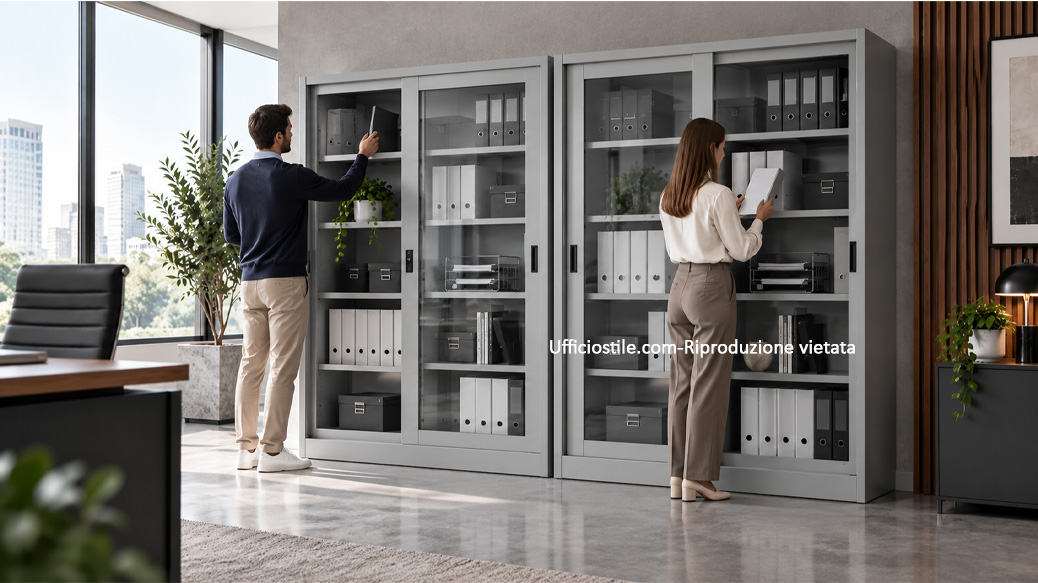
Yes. In addition to solid doors, transparent or frosted tempered-glass sliding doors are available and can also be combined within the same composition. This solution is ideal when you want the contents to remain visible while visually lightening the storage wall.

Sliding-door cabinets are designed to be modular and installed side by side, creating continuous storage walls. New modules can be added over time, integrated with bookcases or fitted walls and coordinated using the same aesthetic language throughout the project.