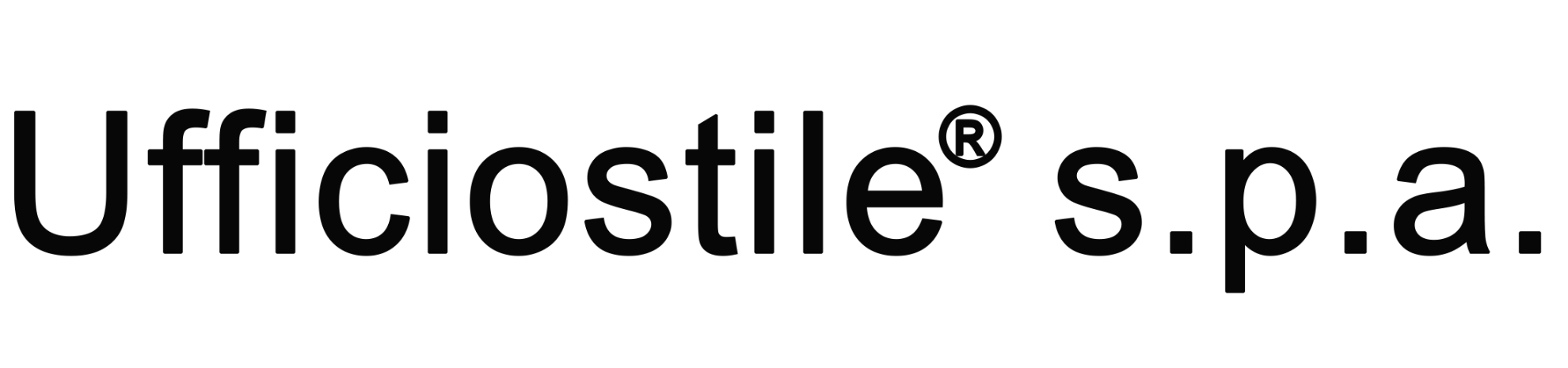
Waste-sorting containers
In the break area, separate waste collection only works if it is simple: clear, accessible bins aligned with real flows reduce errors, bad odours and “accumulations” on tables and kitchen tops. A well-designed system improves hygiene and maintenance, makes the space more orderly and communicates real attention to sustainability, without complicating everyday use.Waste-sorting containers for break areas are modular systems for separating waste, paper, plastic/metals, organic and general waste, near coffee points and kitchenettes. With dedicated openings, clear labels and easy-care materials, they improve order and hygiene, reduce errors and simplify emptying and maintenance. Useful in high-turnover offices and shared spaces.
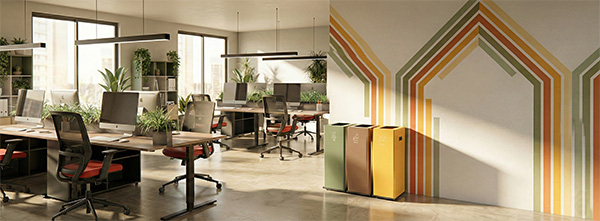
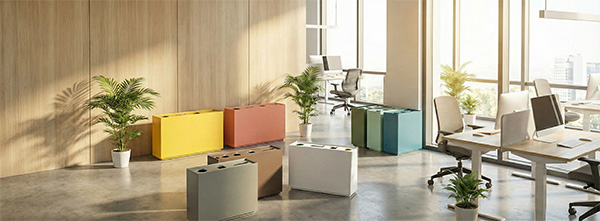
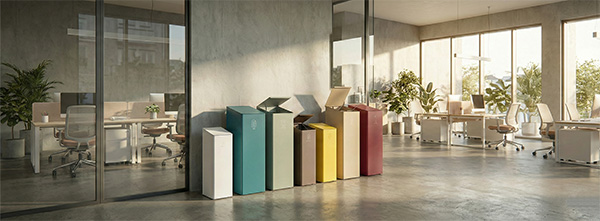
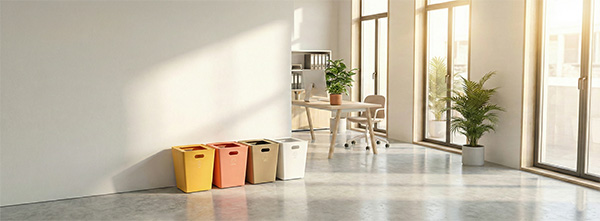
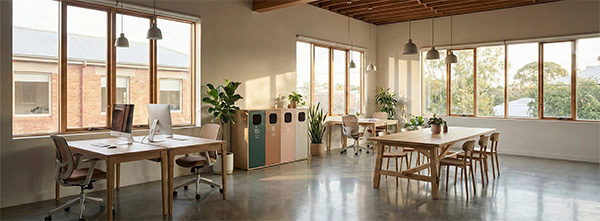
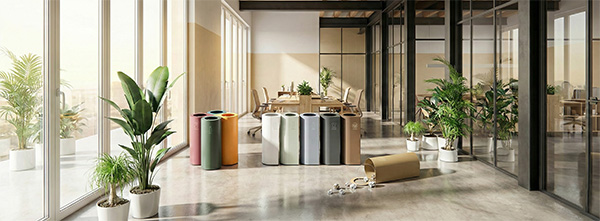
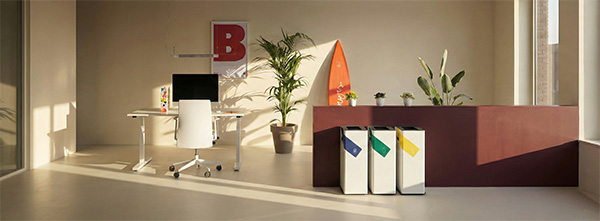
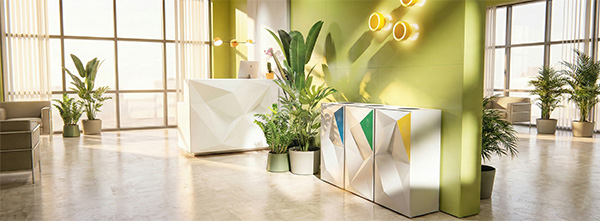
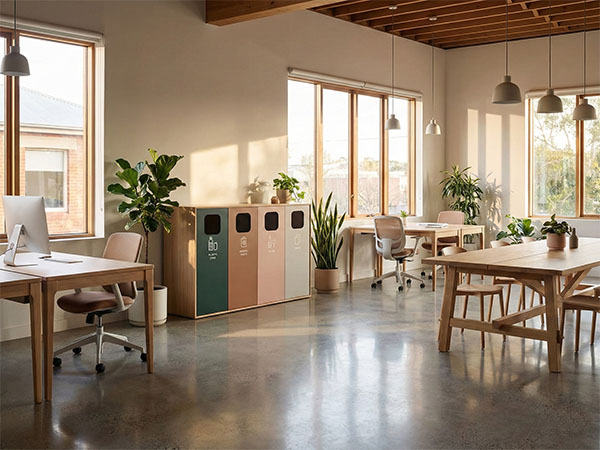
Waste-sorting island “close to the point of consumption”
Position matters most of all: in break areas, waste is generated near coffee points, micro-kitchens and tables. A well-positioned waste-sorting island intercepts the action at the right moment, reduces abandoned cups and packaging on worktops and makes sorting a natural gesture, not a “duty” to remember.
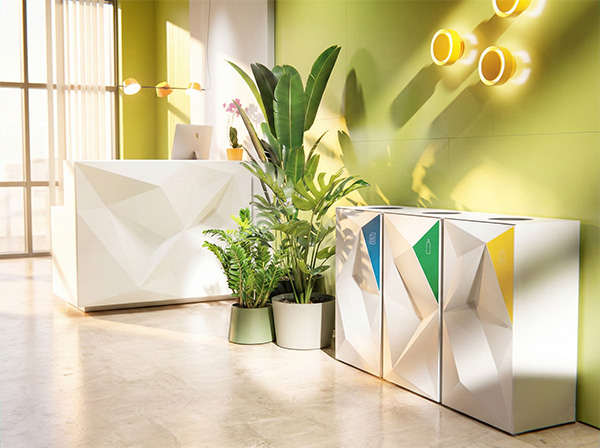
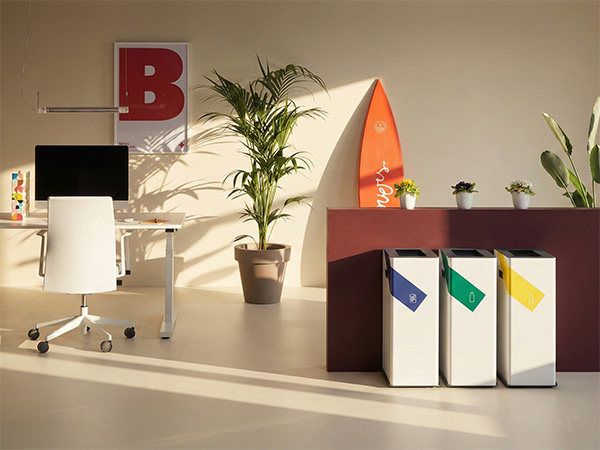
Multi-fraction containers with immediate signage
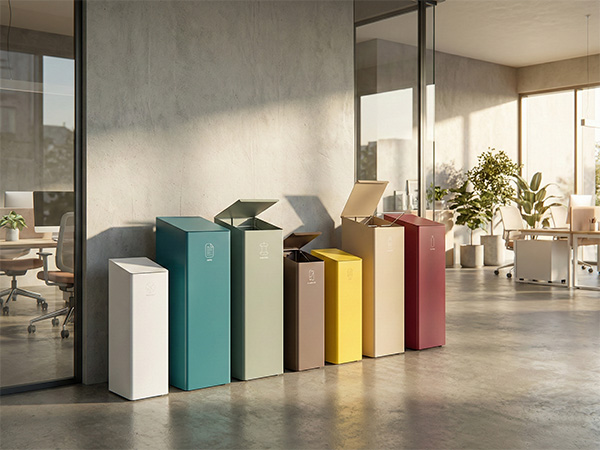
Separate waste collection fails when choices are ambiguous. Multi-fraction containers, with coherent openings, for example a slot for paper and a hole for bottles, and signage readable at a glance, reduce errors and increase collection quality. In offices with guests or rotating teams, immediacy is what makes the system work.
Slim solutions for small spaces and narrow passageways
Not all break areas are large: they are often niches or widened corridors. In these cases, compact containers are needed, developed vertically or with reduced depth, that do not obstruct routes. The aim is to keep passageways free and, at the same time, prevent lack of space from becoming an excuse not to sort waste.
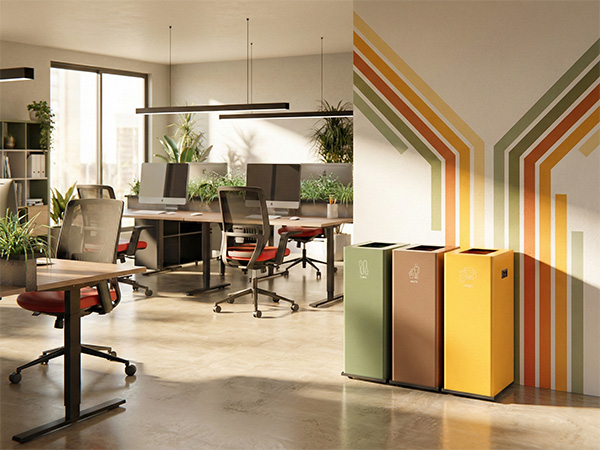
Containers with odour and organic waste management
When organic waste is present, peels, scraps and dirty napkins, odour and hygiene become central. Solutions with more controlled closures and easy-to-clean components help keep the break area pleasant, especially during peak hours. The result is a more “presentable” environment and faster maintenance for those who handle daily management.
Easy-care materials and fast emptying
In break areas, maintenance is a real cost: if emptying or cleaning is complicated, the system fails. Containers designed for easy bag replacement, resistant surfaces and quick cleaning reduce time and problems, and keep the space orderly even with intensive use. Here, separate waste collection becomes part of the organisation, not a critical point.
“Design” containers integrated into the environment
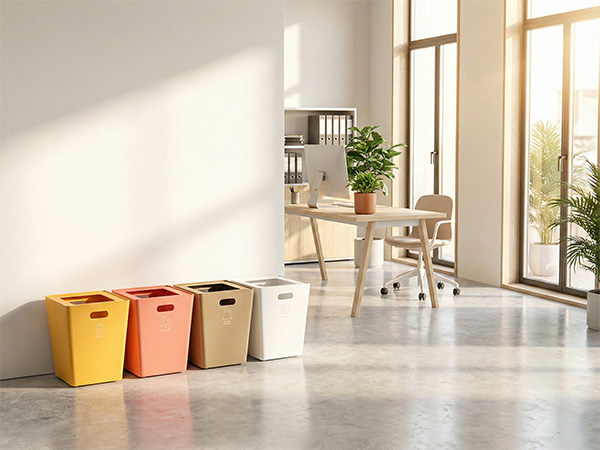
In well-designed offices, separate waste collection should not look like a temporary element. More “architectural” solutions exist, coordinated in colours and finishes, that integrate with kitchenettes and break area furniture. This improves the overall perception of the space and increases adoption: when the system is attractive and clear, it is used more.
FAQ – waste-sorting containers
Yes. It is possible to customise lid, front and pictogram colours according to waste type or corporate palette, maintaining consistency with the internal signage system and facilitating recognition at a glance.
Yes. The removable internal rigid-plastic bins are designed to be easily washed and sanitised, while the external painted steel surfaces can be cleaned with standard neutral detergents used in offices.
The painted steel or galvanised sheet-metal structure is designed for intensive use in passage areas, canteens and open spaces. Epoxy powder coatings protect against daily scratches and impacts, ensuring long-lasting aesthetic and functional durability.
Yes. Some models are designed to be inserted inside custom furniture, equipped base units or storage walls, with fronts coordinated with the furniture. In this way, separate waste collection is discreet but always immediately accessible.
Yes. The materials used – steel, galvanised sheet metal and plastic internal bins – are fully recyclable. At the end of their lifecycle, they can be sent for recovery through standard material collection chains.