
Informal zones: social spaces to connect people, ideas and relationships
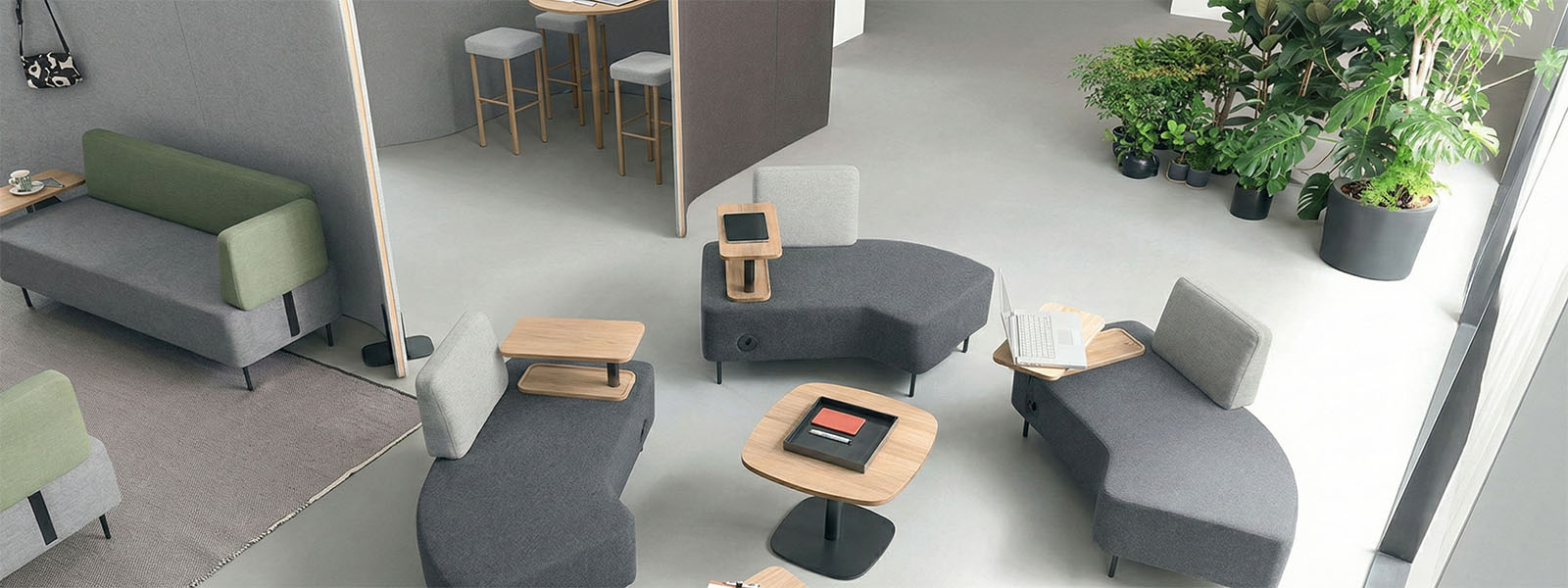
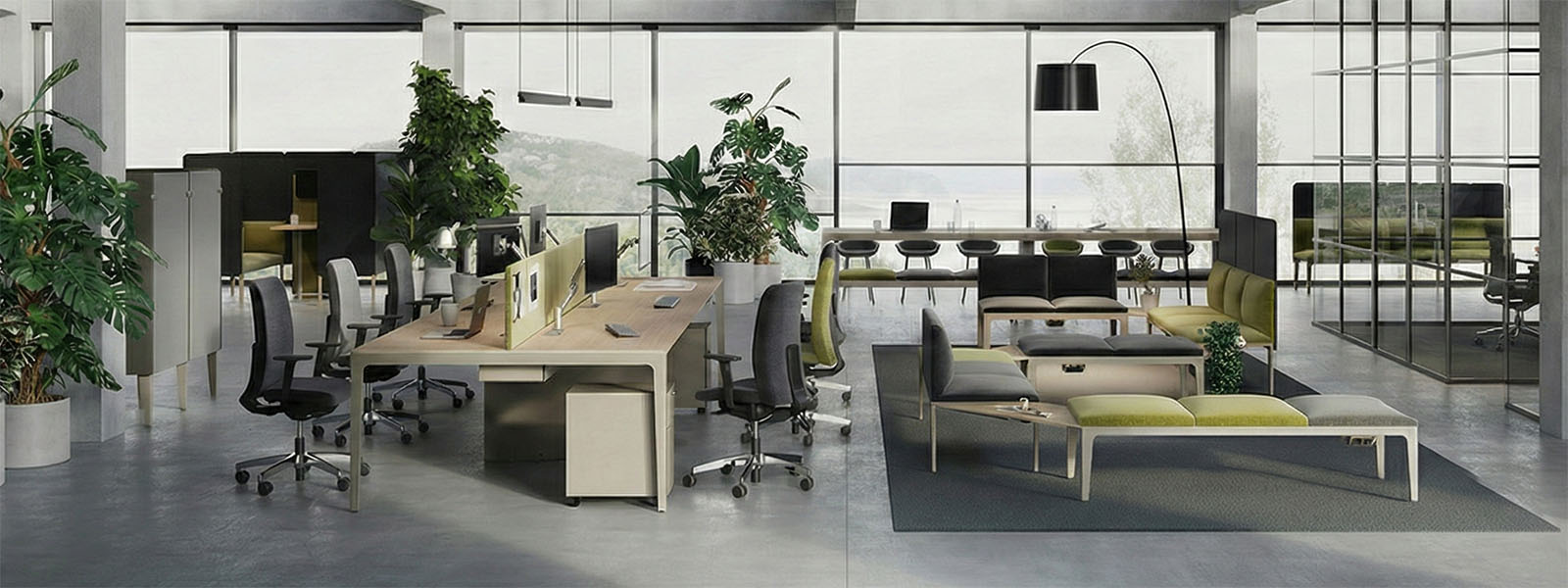
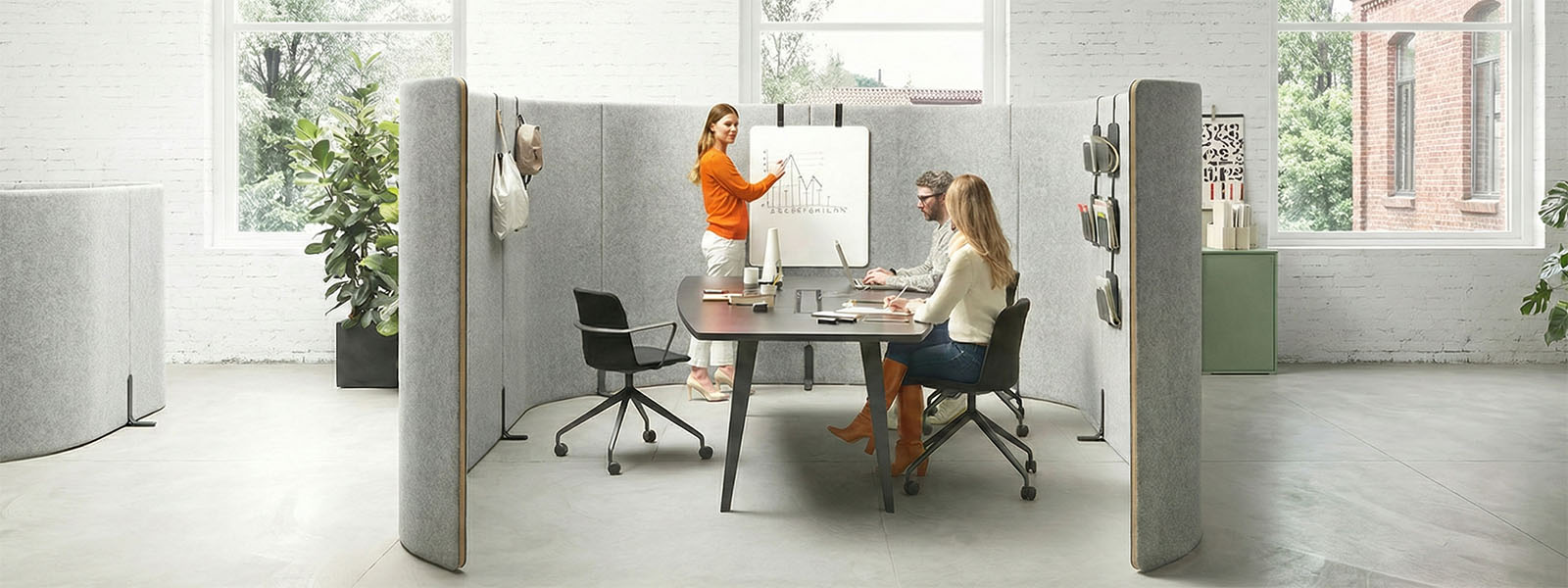
Informal areas are now essential for building corporate culture and shared creativity. Ufficiostile designs social and discussion spaces that encourage spontaneous relationships and active break moments, improving engagement and strengthening the organisation’s identity.Informal zones for team working are flexible, non-bookable spaces for quick discussions, check-ins and micro-meetings. Positioned near operational areas, they offer comfortable seating, small support tops and, where needed, light screening and sharing supports. They improve collaboration and decision-making speed, reducing the improper use of meeting rooms and workstations.
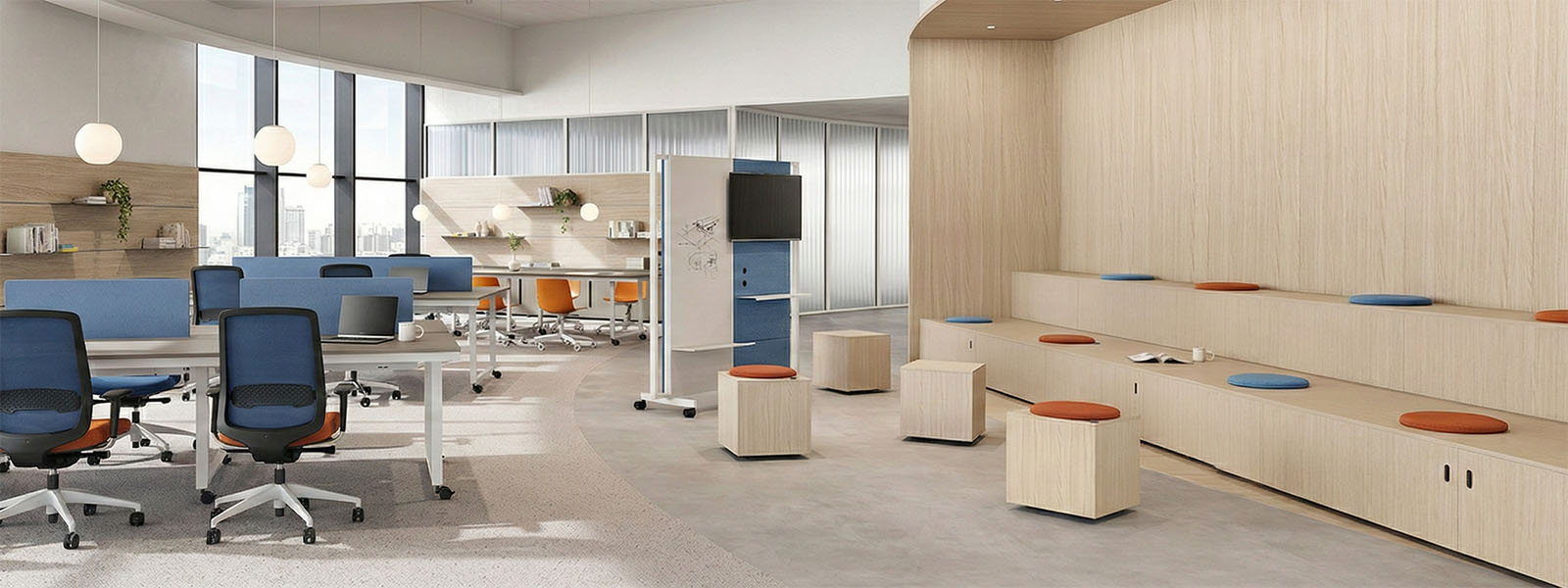
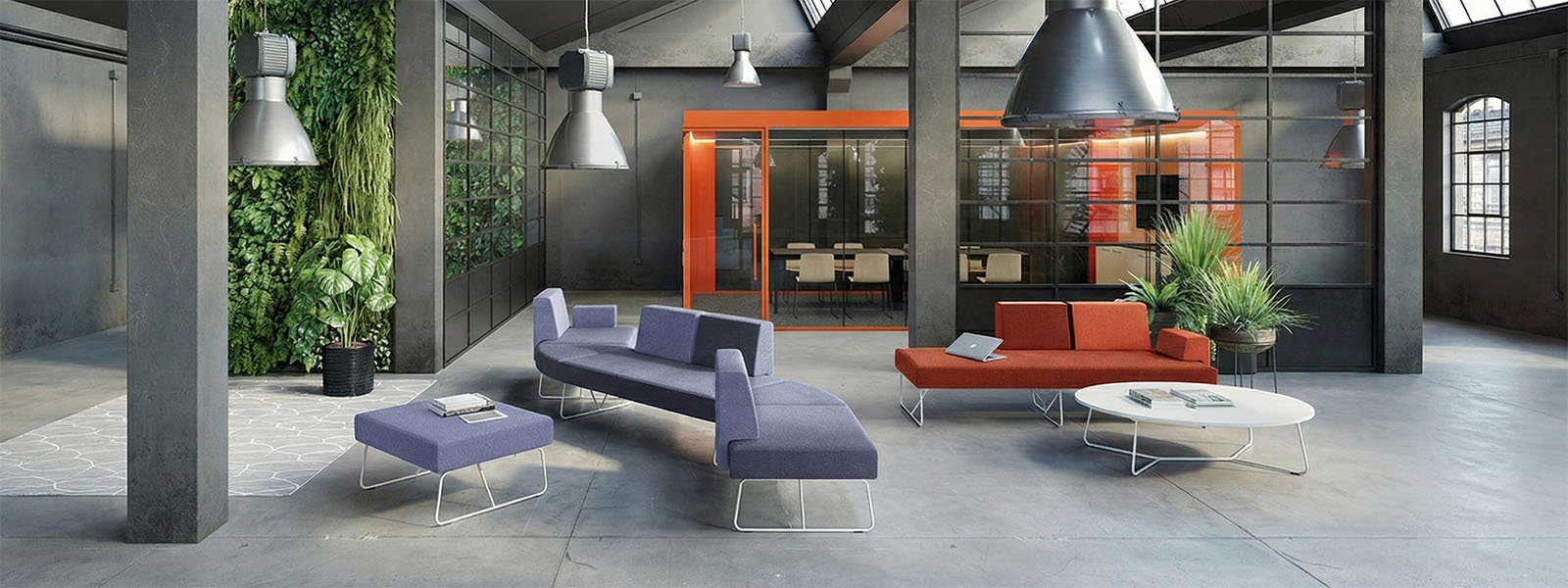
Operational lounges for “a quick word” that avoids a meeting
In every team there are discussions that do not deserve a calendar invite: they need five minutes, a comfortable place and the possibility to talk without disturbing those who are working. An operational lounge near the workstations naturally absorbs these interactions and reduces pressure on meeting rooms. The difference lies in the approach: it must be informal but not “relaxation-oriented”, designed for short conversations that close a topic and restart work.
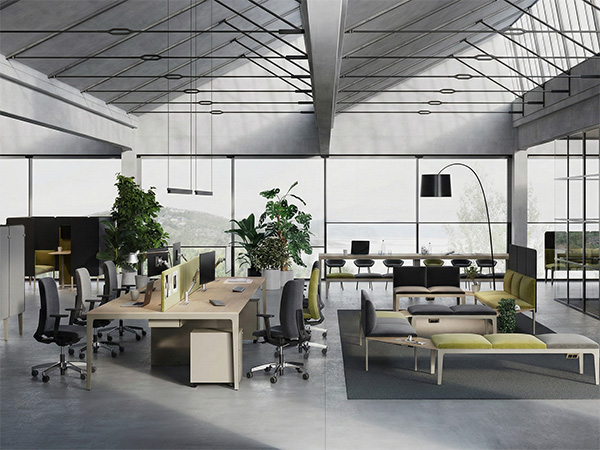
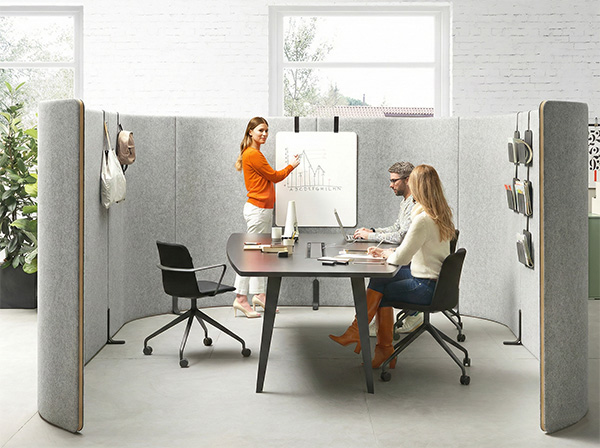
Open booths and niches: light privacy
Not all conversations are confidential, but many require a minimum level of screening: a discussion between two people, a quick review, a short call. Niches, half-screens and seating protected by side elements create a feeling of concentration and reduce mutual distraction, without turning the space into a room. It is the right solution when you want to increase dialogue quality while maintaining continuity and light.
Sociality as a collaboration lever
Informal spaces encourage dialogue and cross-functional thinking, creating spontaneous meeting conditions between people and different functions. Soft seating, small tables and furnished micro-environments invite unstructured conversation, where the best insights often emerge. A design that breaks hierarchy and conveys openness facilitates natural communication and helps build a more inclusive and collaborative corporate culture.
Comfort and hospitality for regenerative breaks
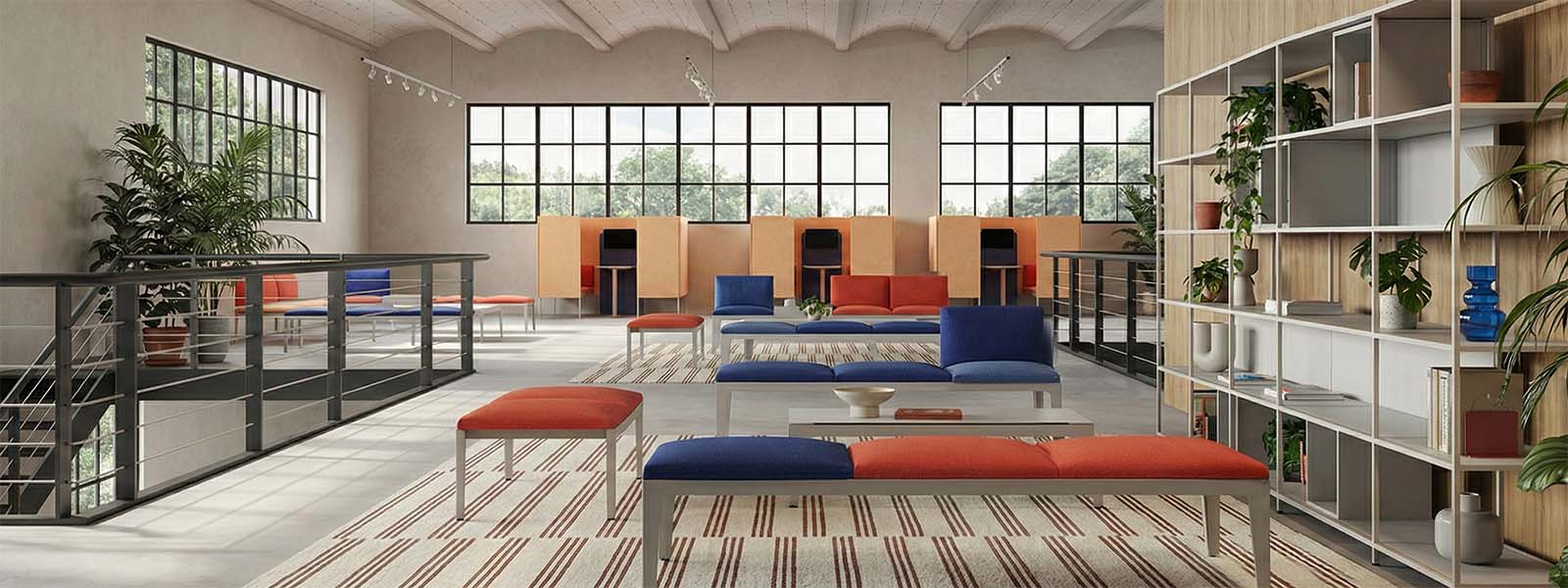
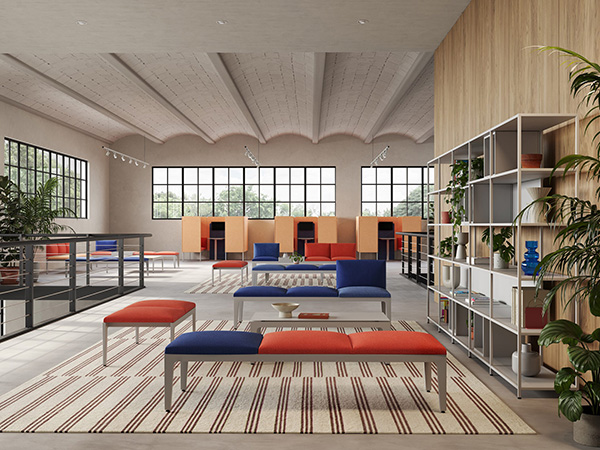
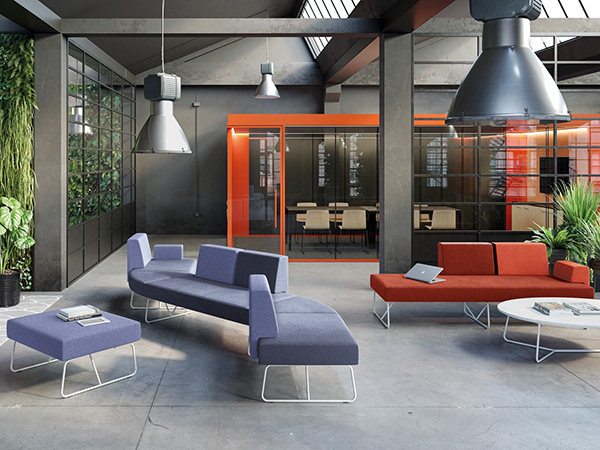
Lounge armchairs, upholstered benches and tactile materials create shared wellbeing zones where people can slow down, recharge and regain energy. The goal is to offer psychological and physical comfort, reducing stress and improving the internal climate. Welcoming spaces increase the sense of belonging, strengthen relationships between colleagues and make the break a moment of real regeneration, not just an interval between activities.
Flexibility and modularity in relationship spaces
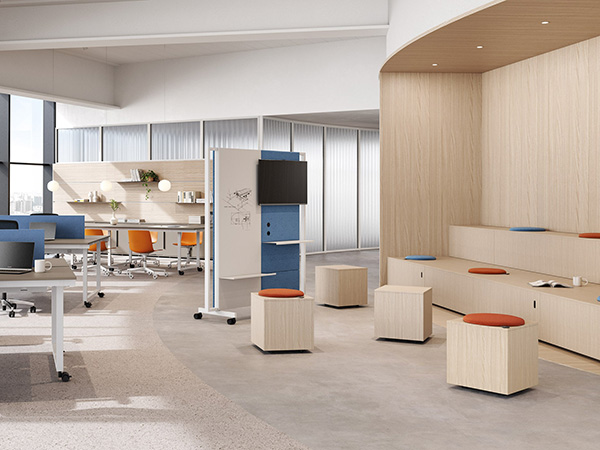
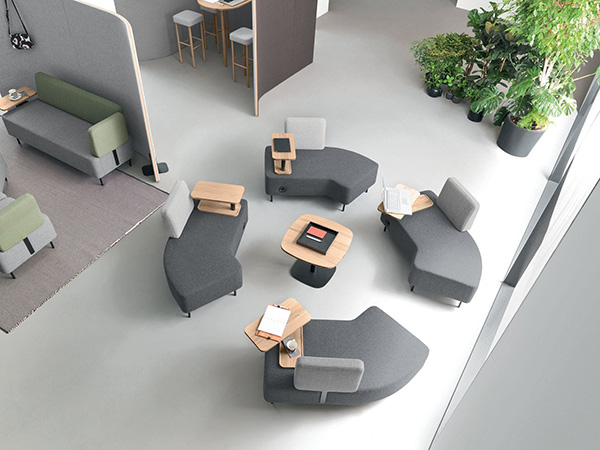
Mobile tables and modular elements make it easy to reconfigure the environment according to the number of people and type of interaction. A simple break can turn into a small operational meeting or a discussion between teams, without having to book a meeting room. Flexibility thus becomes a form of organisational intelligence, capable of adapting spaces to real work rhythms and everyday collaboration needs.
Spaces that absorb flows: order and everyday usability
In offices with variable attendance, interactions concentrate at certain times of the day. Informal zones can absorb these flows if they are located in the right points and designed for rotation: easy-to-use seating, a layout that does not obstruct and a clear sense of “beginning and end” of the space. In this way, the office remains orderly even during peaks, and collaboration does not move into corridors or workstations.
FAQ
Informal areas improve the internal climate, support cross-functional collaboration and make information exchange more natural. They are places where people feel free to discuss, share ideas and build relationships that support everyday innovation.
Lounge seating, low tables, poufs, upholstered benches and sound-absorbing panels. The combination of soft elements and functional support tops creates a welcoming environment suitable both for breaks and informal operational discussions.
Yes. Compact modules, lightweight seating and furniture on castors make it possible to create social micro-areas even in limited square metres. A well-designed corner is enough to create an active break and dialogue space close to existing operational areas.
The combined use of vertical sound-absorbing panels, soft coverings and technical fabrics reduces reverberation and background noise. This makes it possible to maintain comfortable conversations even in open spaces, without disturbing adjacent work areas.
Yes. Well-designed informal spaces communicate care for people, modernity and openness to collaboration. They strengthen brand perception as an attractive employer, improve the daily experience of teams and become a distinctive element during visits by clients and candidates.