
Indoor Environmental Quality (IEQ): Air Quality, VOC Emissions and Indoor Well-Being
Indoor Environmental Quality (IEQ) is a key factor in well-being, health and productivity in modern offices. Parameters such as air quality, VOC concentrations, ventilation, humidity and thermal comfort all contribute to creating a healthy, high-performing environment. The adoption of low-emission materials, advanced filtration systems and continuous monitoring helps ensure safer, healthier and more sustainable workplaces.

Technical Specifications
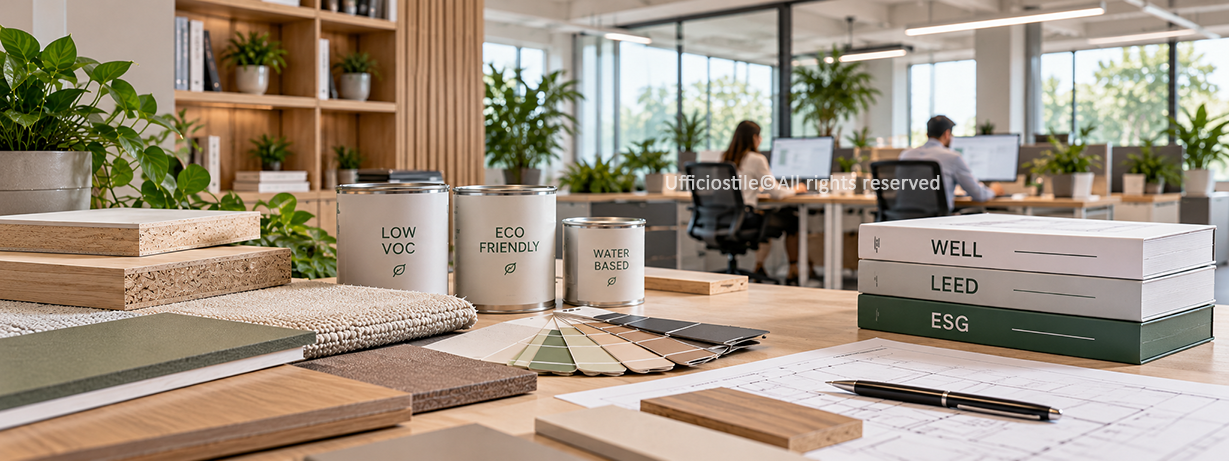
- Low-emission materials for furniture, panels, adhesives and paints, selected to reduce indoor VOC emissions.
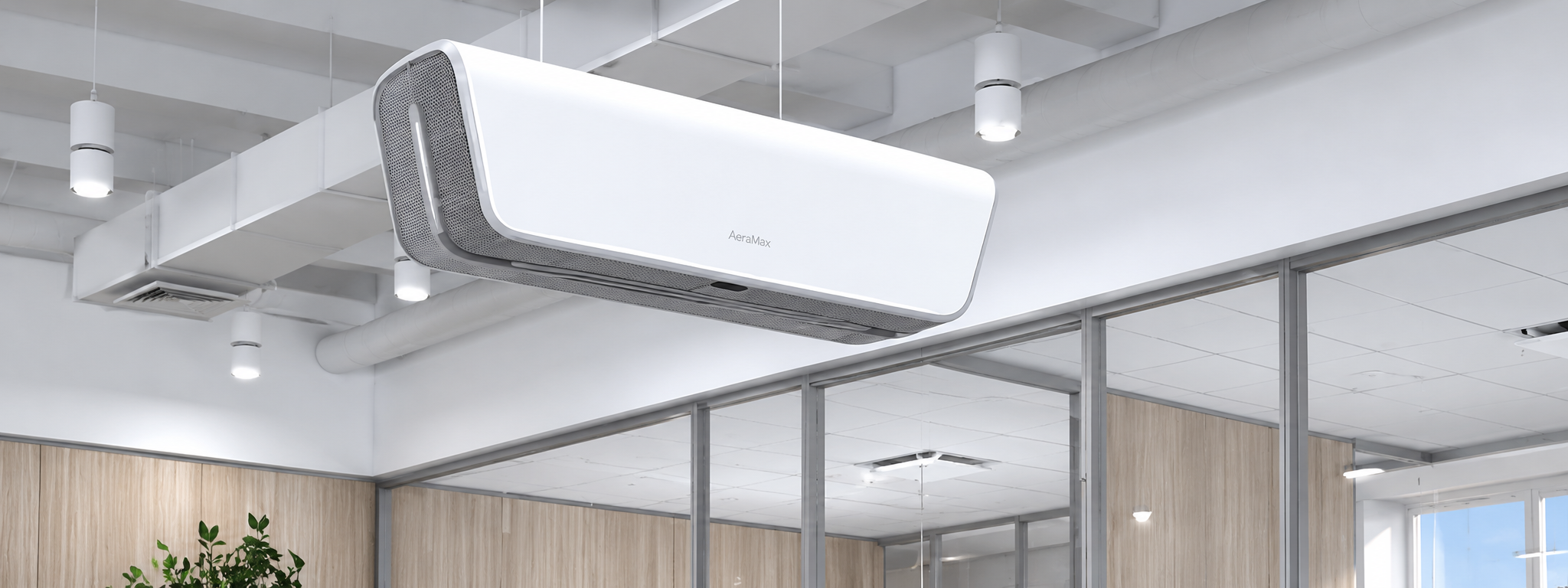
- Advanced HVAC systems with intelligent control of air changes, airflow rates, temperature and humidity.
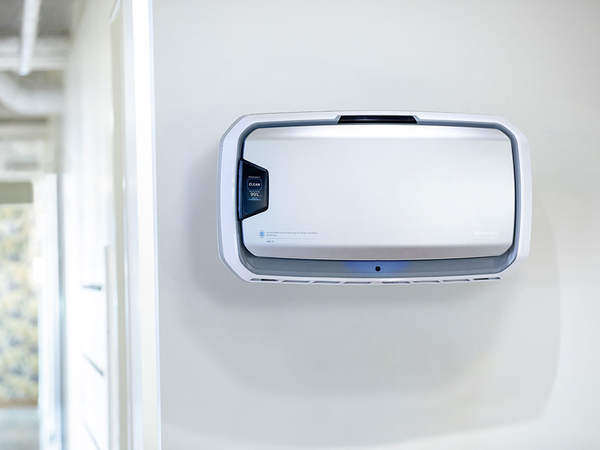
- HEPA filters and multi-stage filtration to improve the removal of particulate matter and airborne contaminants.
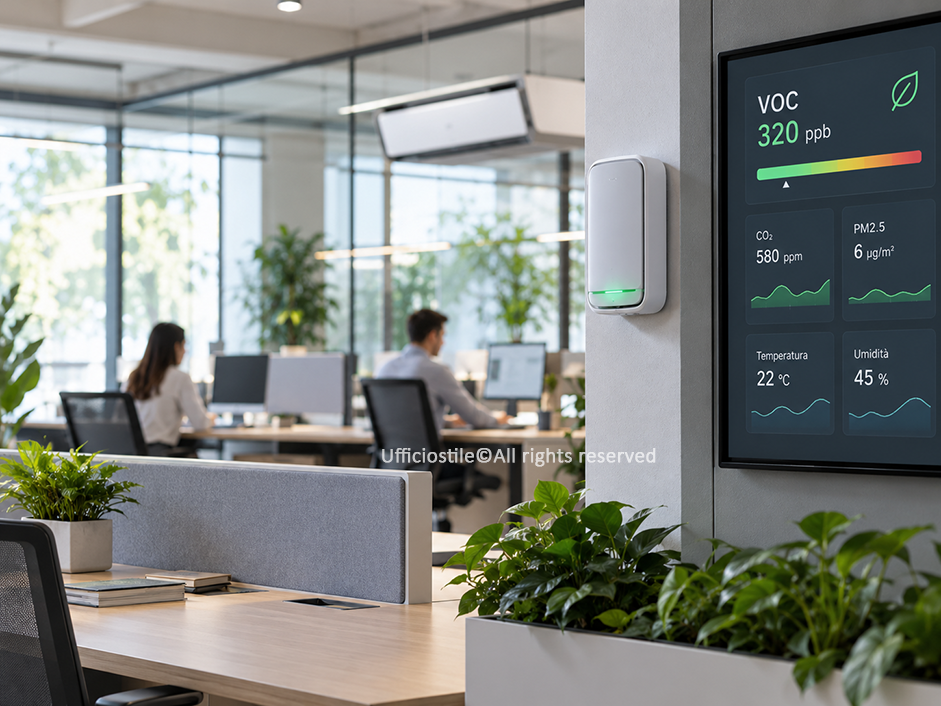
- Dedicated sensors for continuous monitoring of VOCs, CO₂, temperature and humidity, with alerts and historical data logs.
Typical Applications
Open-Plan Offices
Large shared workspaces with controlled ventilation systems, high-efficiency filters and low-emission materials to limit the build-up of CO₂ and VOCs, as well as background noise, improving concentration and well-being.
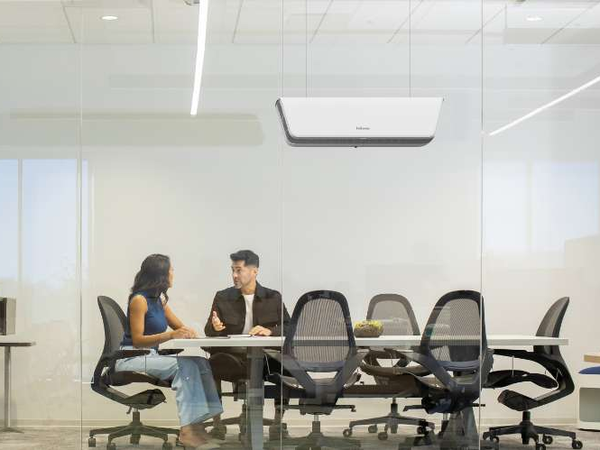
Meeting Rooms
Meeting rooms and videoconferencing spaces equipped with targeted CO₂ monitoring, demand-based ventilation control and optimized thermal and humidity comfort, even at high occupancy levels.
Corporate Environments
Corporate headquarters and executive offices with IEQ solutions integrated into façades, suspended ceilings and building systems, ensuring consistent performance, data transparency and alignment with WELL and LEED standards.
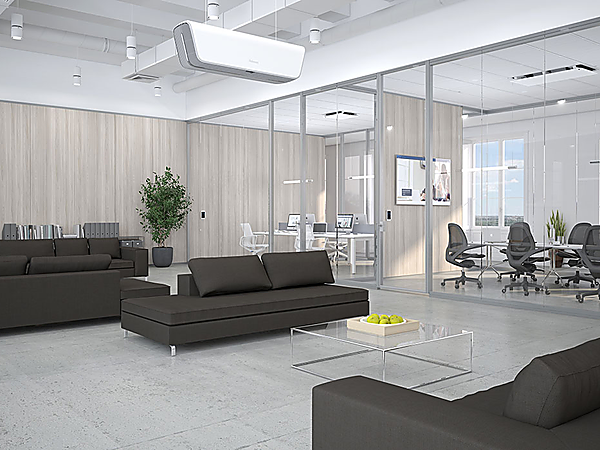
High-Traffic Areas
Reception areas, corridors and shared spaces where advanced ventilation and filtration help limit contaminants, odors and the risks associated with prolonged exposure in heavily trafficked environments.
VOC Control and Air Quality for Healthier Indoor Spaces
Reducing VOC emissions is essential for healthy and safe indoor environments. The use of low-emission materials, non-toxic paints and certified panels reduces the release of volatile organic compounds into indoor air, limiting the risk of irritation, allergies, headaches and cognitive fatigue.
Continuous monitoring with dedicated sensors makes it possible to detect anomalies quickly and take targeted corrective action, such as increasing air changes or optimizing system setpoints. This keeps air quality under control and aligned with the company’s health and safety objectives.
Advanced Ventilation and Filtration for Greater Comfort and Safety
Adequate ventilation is necessary to reduce contaminants, CO₂ and excess humidity in work environments. Advanced HVAC systems featuring HEPA filters, optimized air changes and intelligent sensors provide a steady flow of clean air, improving perceived comfort and occupant safety.
Combining physical filtration, digital controls and scheduled maintenance helps keep systems operating efficiently, reducing contamination risks and supporting compliance with international indoor air quality standards in continuously occupied spaces.
Temperature and Humidity Control: Balancing Comfort and Performance
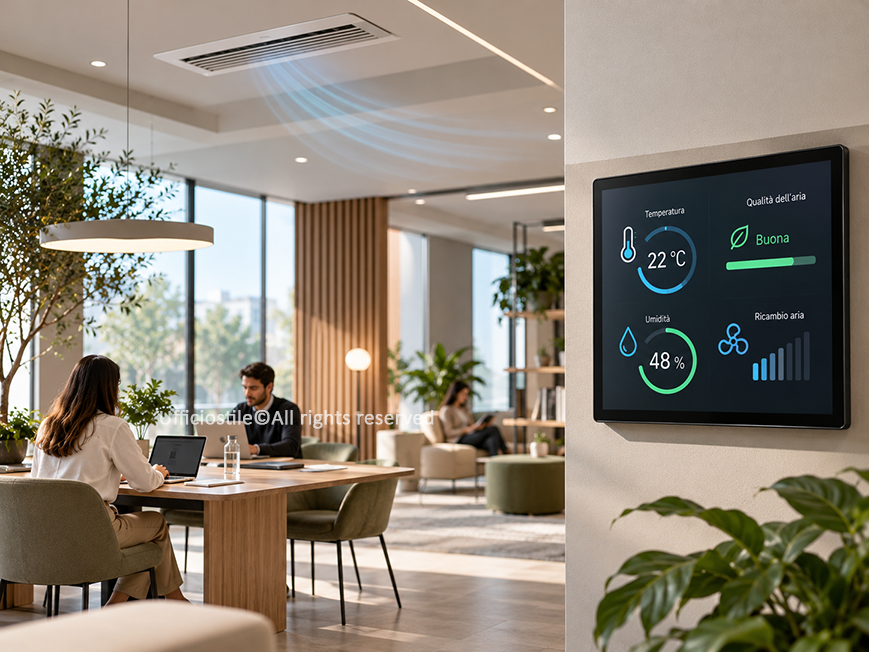
Temperature and humidity control balances air temperature, moisture levels and air movement, directly influencing well-being, concentration and productivity. Smart systems that automatically regulate these parameters reduce thermal stress, sudden fluctuations and occupant discomfort, creating stable conditions throughout the working day.
A relative humidity range of approximately 40% to 60%, combined with consistent temperatures, reduces the sensation of overly dry or stuffy air, helps limit the proliferation of pathogens and supports respiratory health and cognitive functioning among people who use the office every day.
Low-Emission Materials and Strategies to Prevent Indoor Pollution
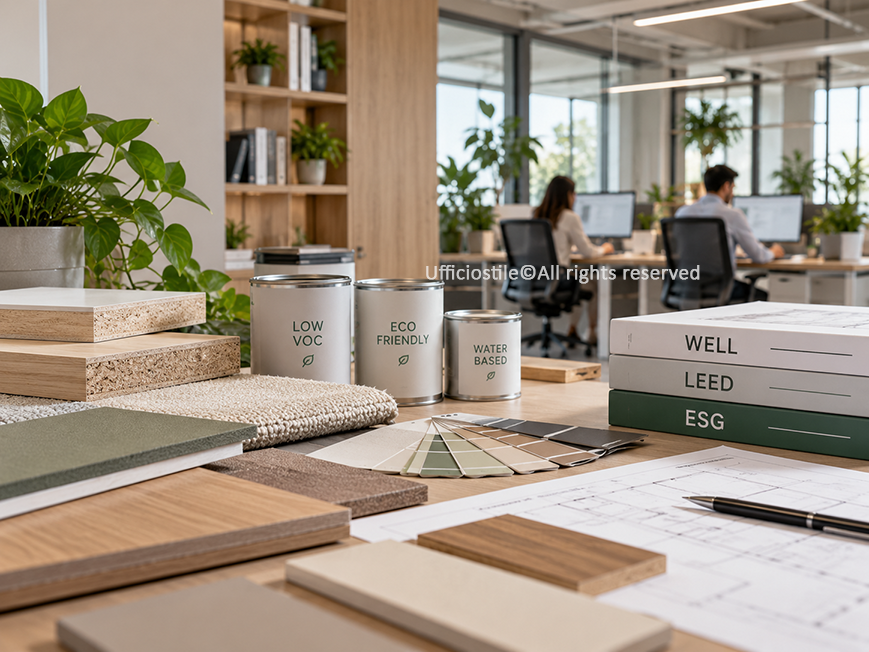
Choosing low-emission materials and reducing sources of pollution are essential for improving IEQ at its source. Certified panels, adhesives and paints minimize the release of harmful substances into the indoor environment; careful selection of products used for furniture, finishes and maintenance reduces the baseline pollution load.
Integrated prevention strategies—from the design phase through to facility management—help maintain stable air quality in line with international standards, while simplifying the documentation required for certification frameworks such as WELL and LEED and for corporate ESG policies.
FAQ
VOCs can cause irritation of the mucous membranes, allergies and headaches and, in some cases, long-term effects on the respiratory and nervous systems. Reducing their concentration in enclosed spaces is essential to protect occupants’ health and improve their perceived well-being.
By using low-emission materials, ensuring adequate ventilation, installing advanced filtration systems (such as HEPA filters) and continuously monitoring conditions with VOC and CO₂ sensors, so that prompt action can be taken when readings exceed acceptable thresholds.
Yes. HEPA filters significantly improve the removal of fine particles, allergens and contaminants, helping reduce the risks associated with prolonged exposure to dust and airborne pollutants in high-occupancy workplaces.
It is generally recommended to maintain relative humidity between 40% and 60%, a range that provides a good balance between comfort, reduced irritation of the eyes and respiratory tract, and limiting the proliferation of mold, bacteria and viruses.
Yes. IEQ directly affects concentration, well-being and cognitive performance. Clean air, thermal comfort and low pollutant levels help reduce fatigue, mistakes and absenteeism, improving overall organizational performance.