High tables for break areas: conviviality and style in the office
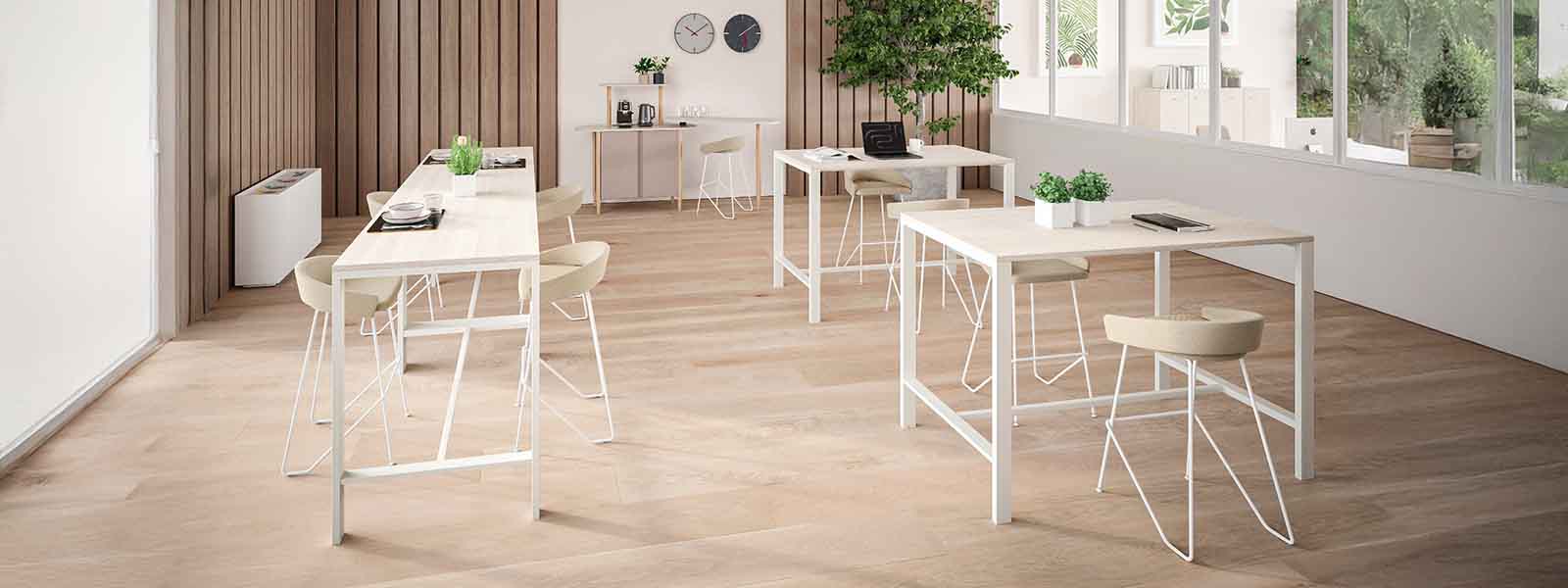
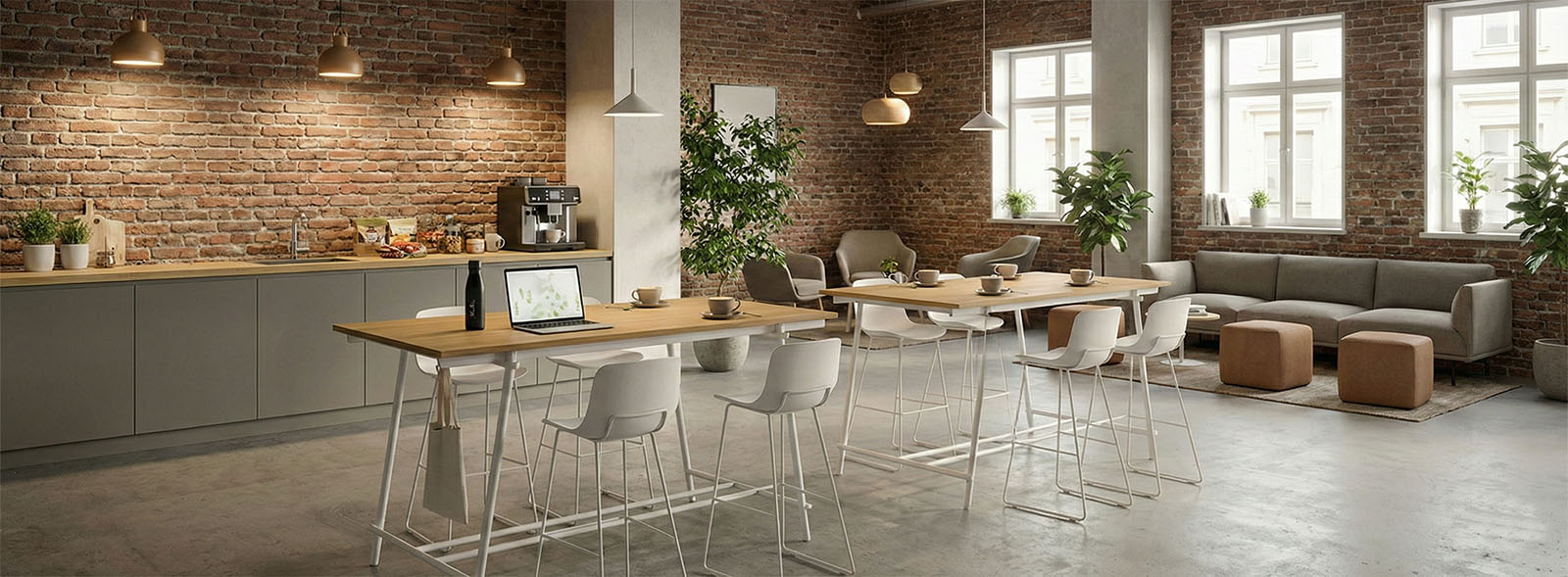
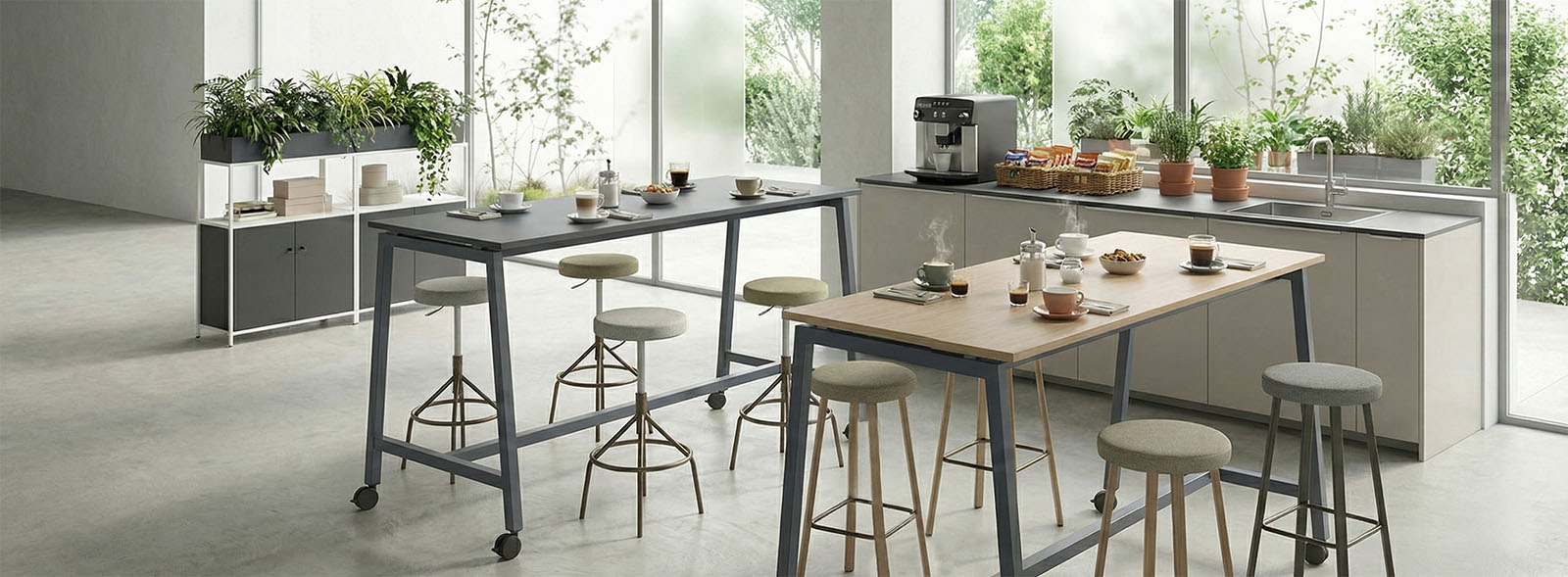
In the break area, the high table is the most effective solution when you want to encourage short but “quality” breaks: it can be used standing or with stools, reduces footprint, increases turnover and creates natural meeting points between departments. It is a simple piece of furniture, but when correctly sized and positioned it becomes a real tool for social interaction and organisation, especially in hybrid offices.High tables for break areas are bar-height surfaces designed for quick breaks, coffee points and informal moments in the office. They encourage social interaction and user turnover, optimise space and can integrate electrification for laptops and charging. Available in rectangular, round or modular versions, with durable and easy-to-clean materials.
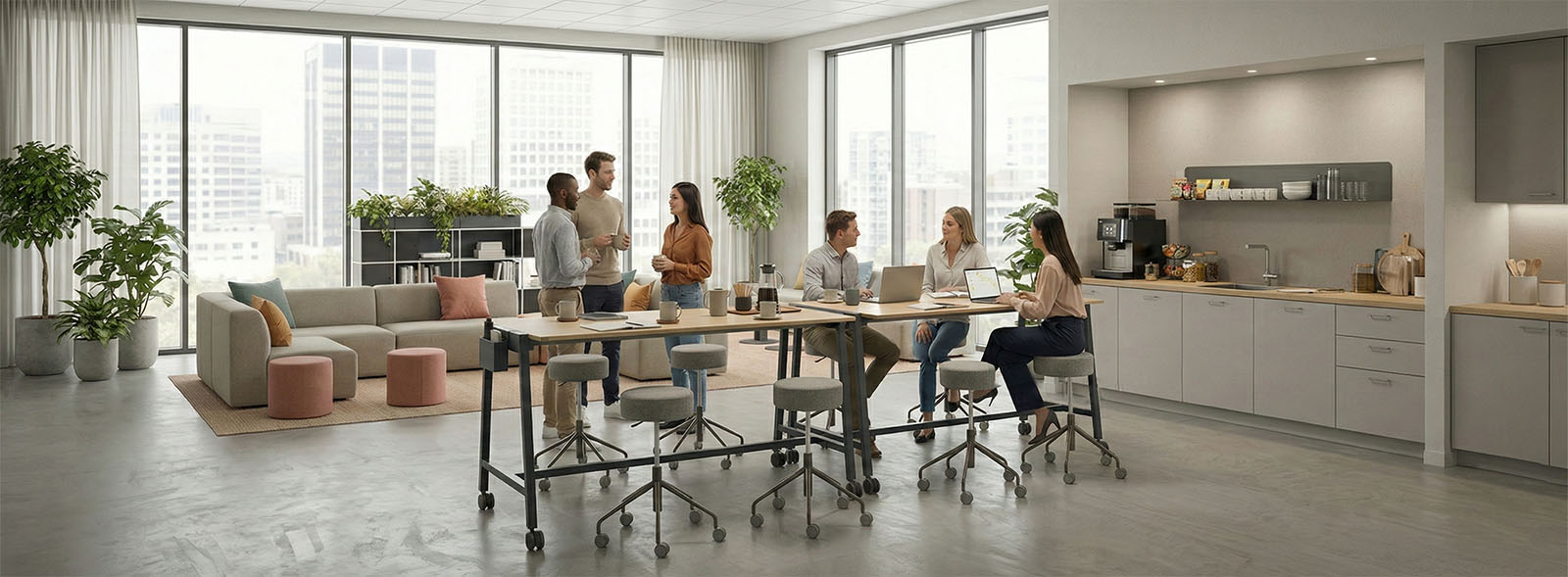
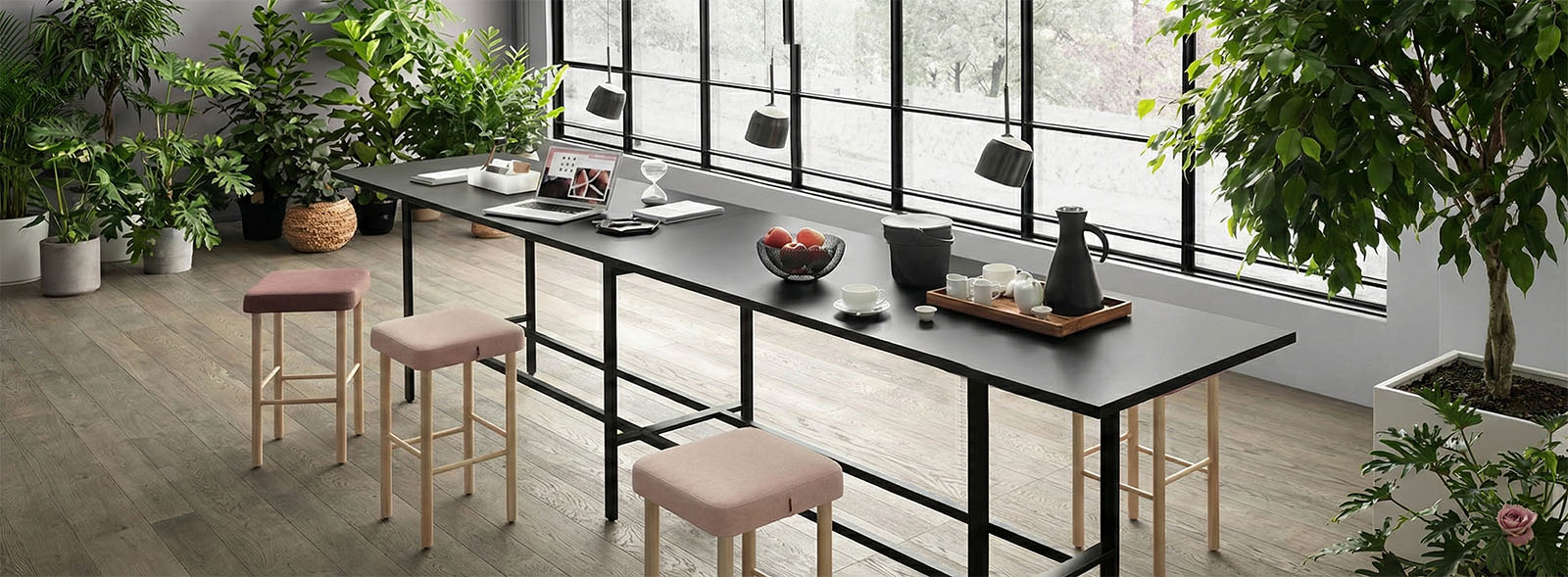
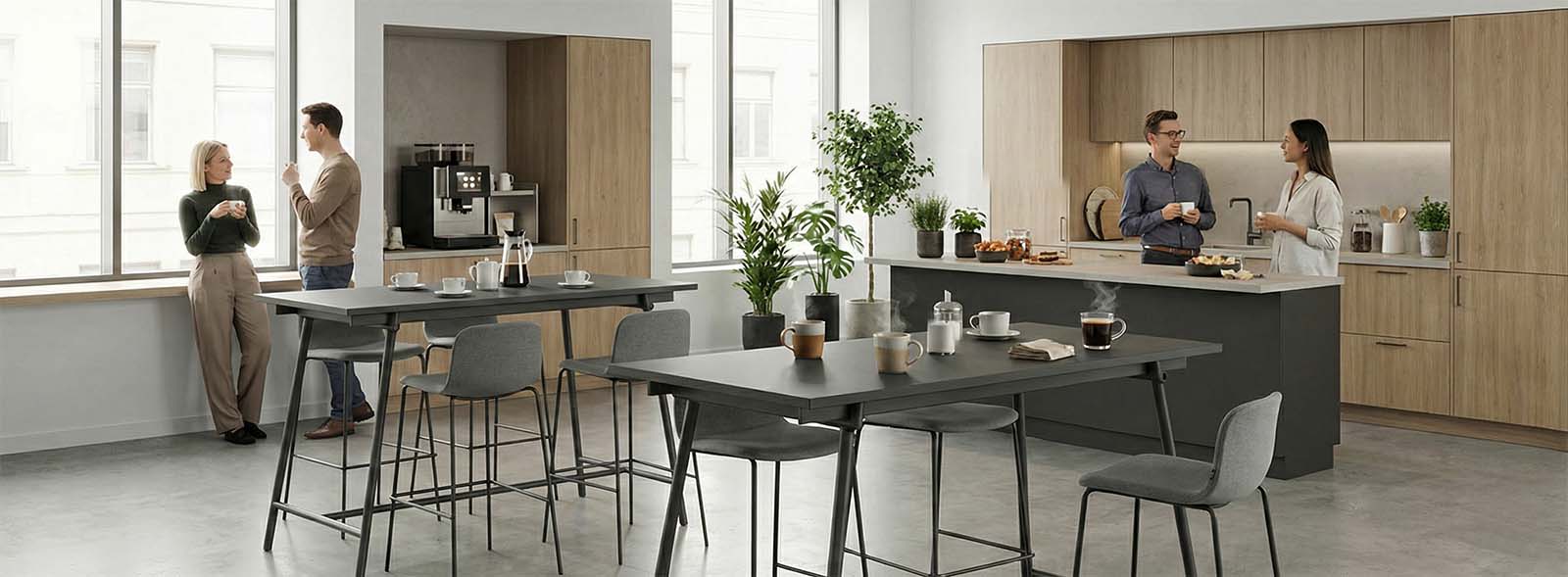
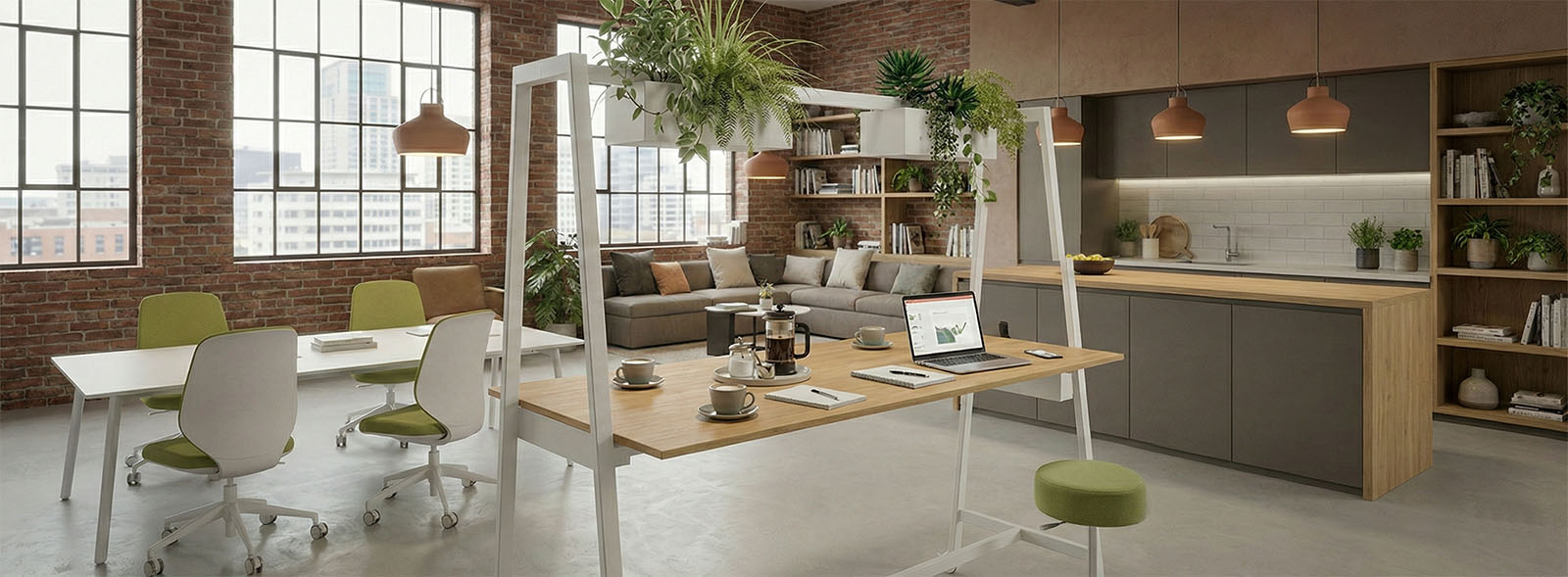
Compact “coffee point” high tables
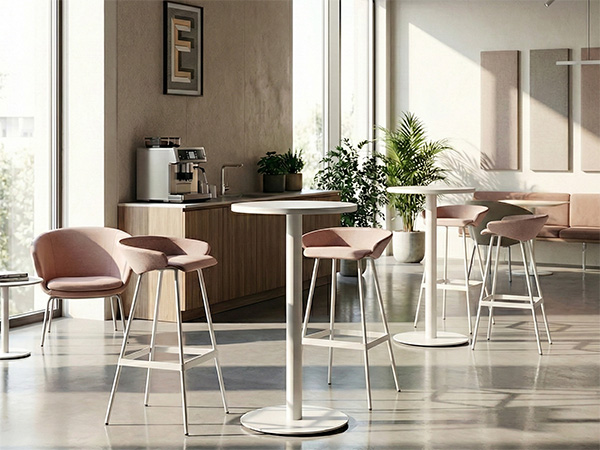
When space is limited or flow is continuous, the compact high table is the solution: it creates an immediate break point without occupying valuable surface area. It is ideal near coffee machines and micro-kitchens because it encourages short stops and reduces the improper use of desks and meeting rooms for a 5-minute break.
Social high tables for teams
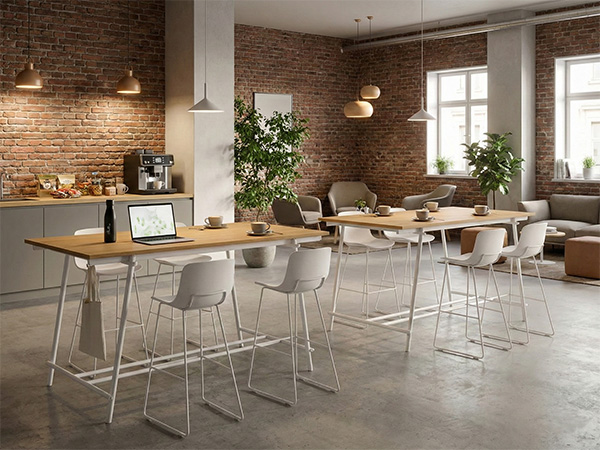
If the goal is to bring people together, a larger high table with stools becomes an informal “hub”: it can be used for longer breaks, quick lunches and conversations between departments. In a well-designed break area, this type increases the vitality of the space and improves the perception of a welcoming office without losing order.
Shared high tables for coworking
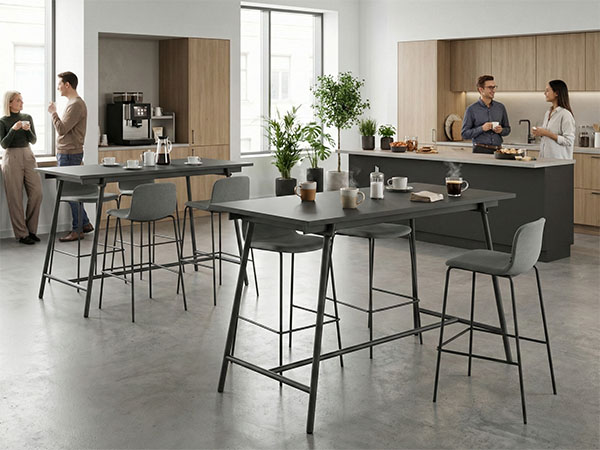
Many companies also use the break area as a hybrid space: a quick phone call, a fast review, a short alignment between colleagues. A shared high table supports these activities naturally, because it is less “formal” than a meeting room and better suited to brief interactions, reducing friction in the organisation of the working day.
High tables with discreet electrification
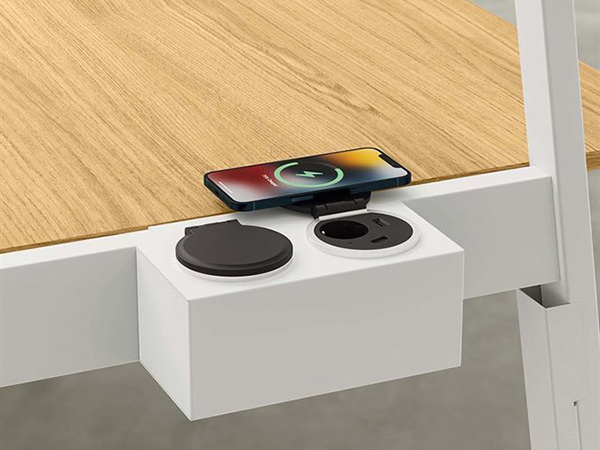
When the break area blends with light operational moments, power supply becomes a real advantage. High tables prepared for sockets and charging make it possible to work without cables in the way and without occupying dedicated workstations. When discreetly integrated, electrification keeps the space clean and increases the usefulness of the area without turning it into an open space office.
Modular and reconfigurable high tables
In break areas that also host internal events or team moments, modularity is an accelerator: linear compositions, islands, “comb” layouts or U-shaped configurations can change according to the number of people and the type of use. This makes it possible to obtain more functions from the same space, while maintaining aesthetic continuity and simple management.
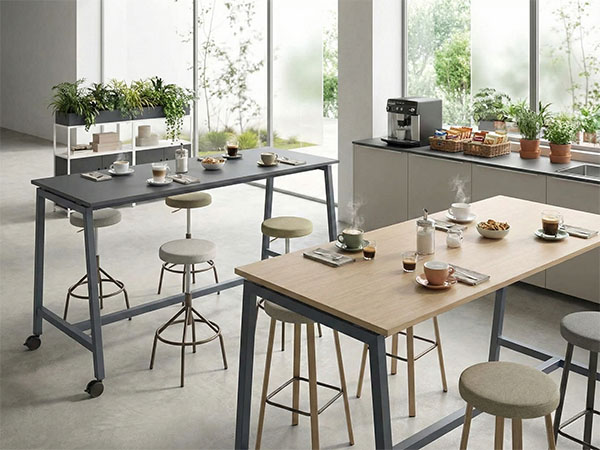
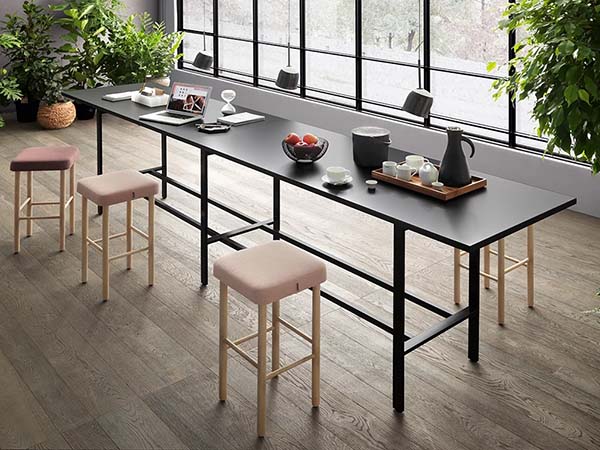
High tables with easy-care materials for intensive use
In coffee and food areas, resistance matters: easy-to-clean surfaces, robust edges and solid structures improve durability and daily order. This is the right choice when the break area is heavily used and you want to prevent the furniture from looking “tired” after only a few months: the table remains presentable and consistent with the company image.
FAQ – high tables for break areas
It is recommended when you want to encourage short breaks, increase turnover and reduce footprint, especially near the coffee point. It is also useful when the space is hybrid and you need a quick meeting point without occupying seating and meeting rooms.
It depends on the type of break. Standing use works for quick stops and continuous flows. Stools increase comfort and length of stay, so they are preferable if the break area is also used for quick lunches or longer conversations.
Near the coffee area and micro-kitchen to intercept the flow, but without obstructing circulation. If the break area is large, a “central” high table can become the main meeting point, leaving the perimeter and quieter seating for those seeking a silent break.
They are fully customisable: finishes, dimensions, top type and structure colour can be selected to adapt them to the company image and available space.