Entry-level operational chairs with polypropylene bases and simplified mechanisms
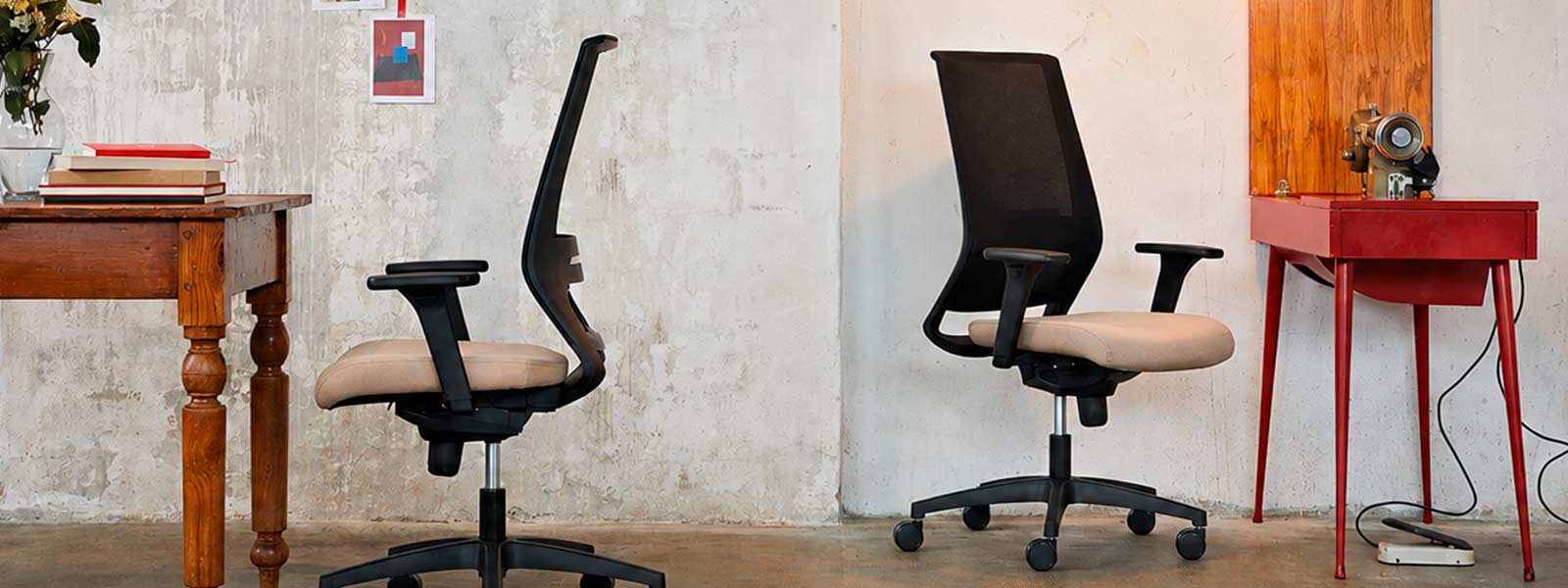
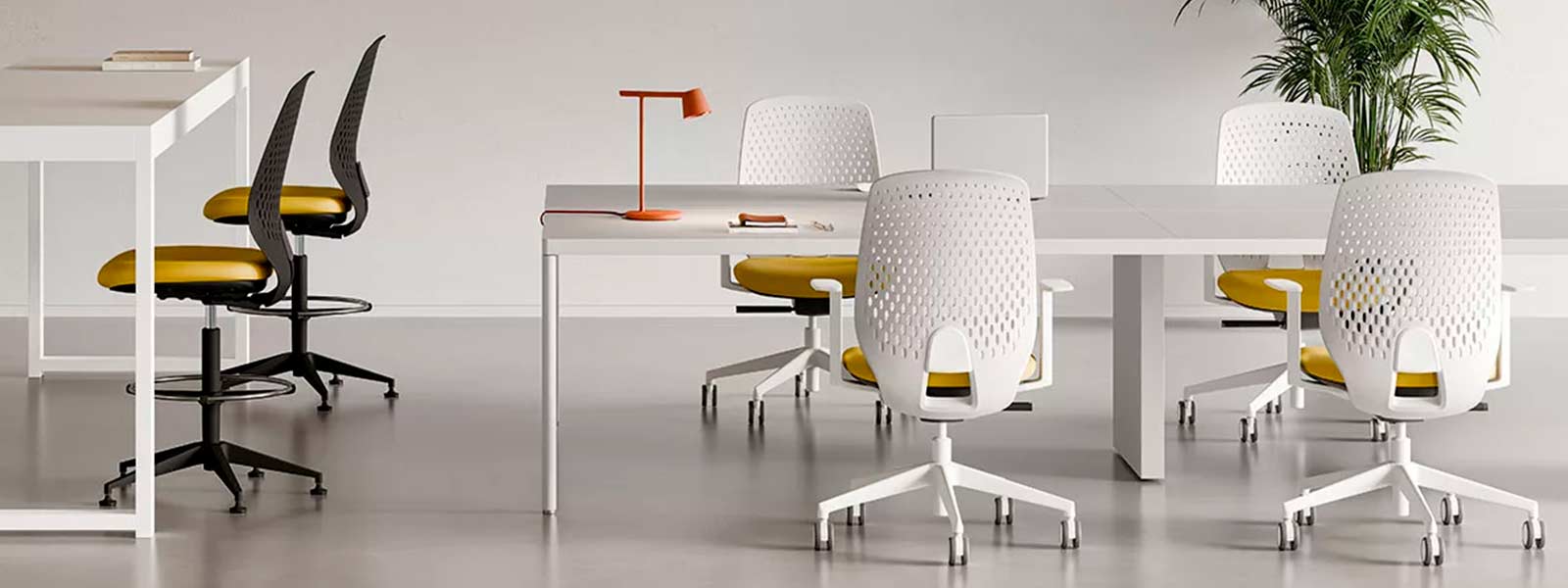
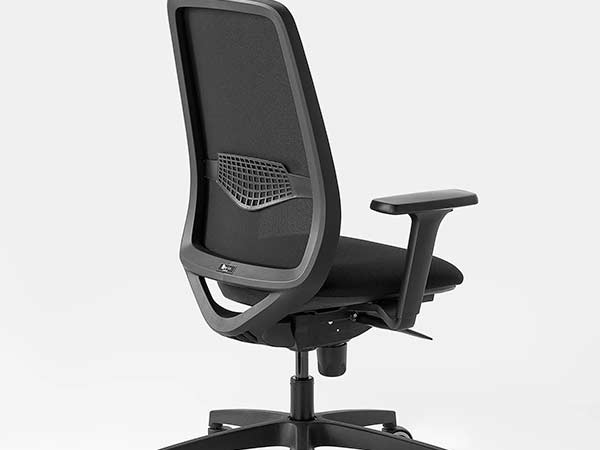
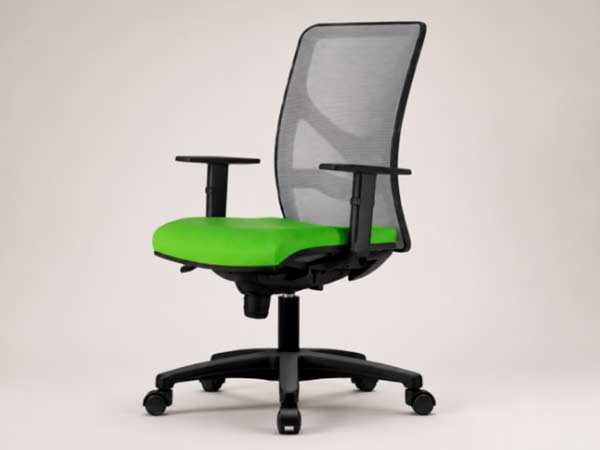
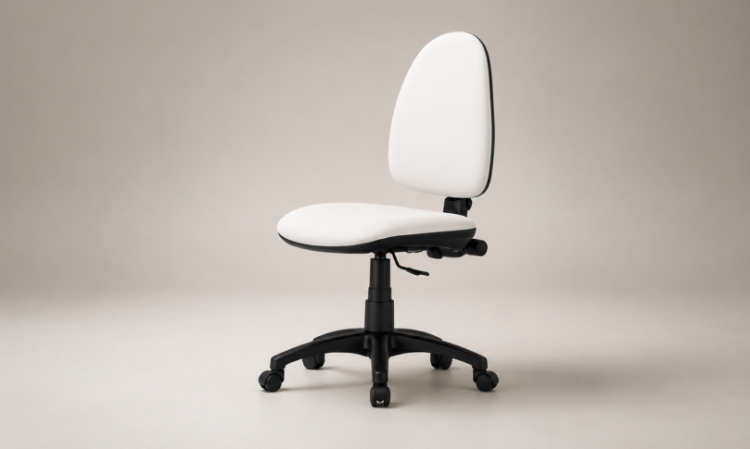
Entry-level operational chairs are the most accessible solution for furnishing professional offices while keeping the budget contained. The use of polypropylene bases, simplified free-floating or synchro mechanisms and essential components reduces costs without giving up safety, regulatory compliance and the minimum comfort required for everyday use.
Technical specifications
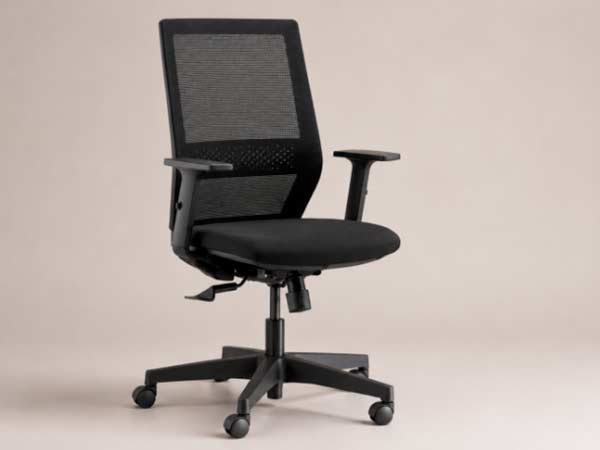
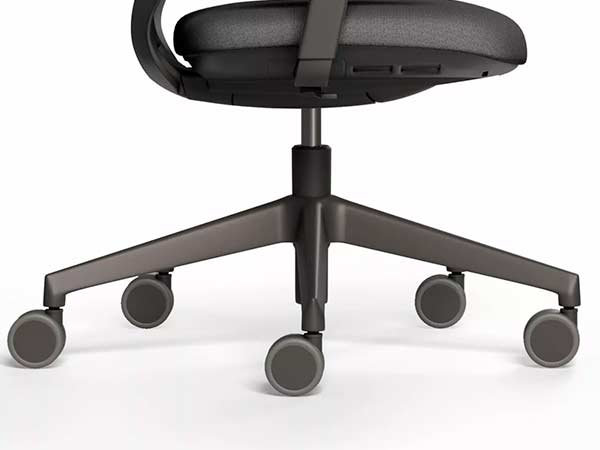
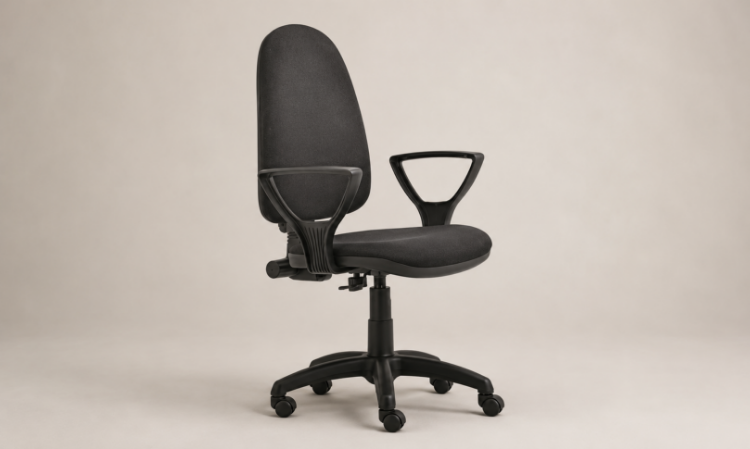
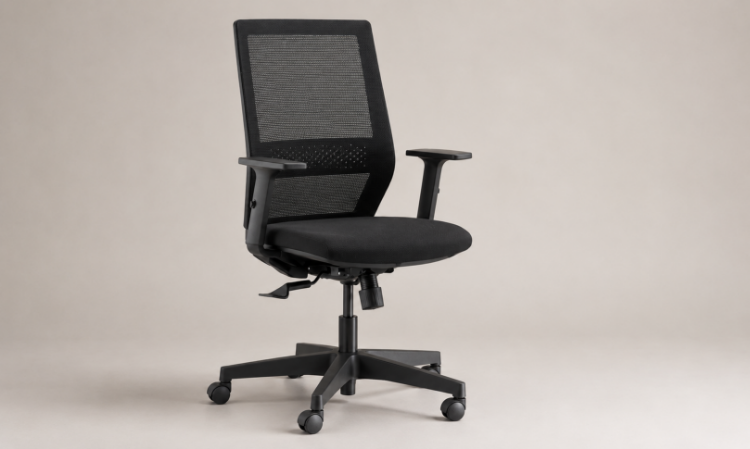
- Five-star polypropylene base, lightweight, wear-resistant and easy to move.
- Simple free-floating or synchro mechanism for essential adjustments and basic operational comfort.
- Fixed or 1D adjustable armrests, with standard components to contain production costs.
- UNI EN 1335 certification to guarantee safety, stability and minimum ergonomic dimensions.
Typical configurations
Operational offices
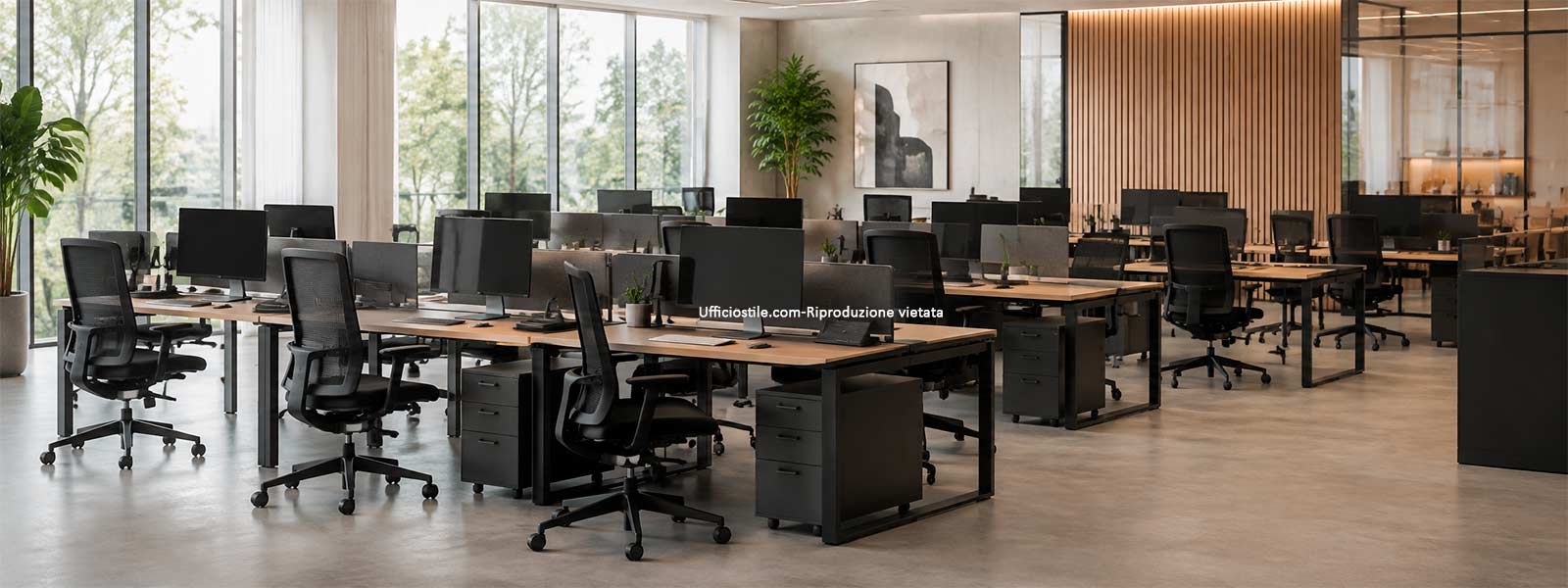
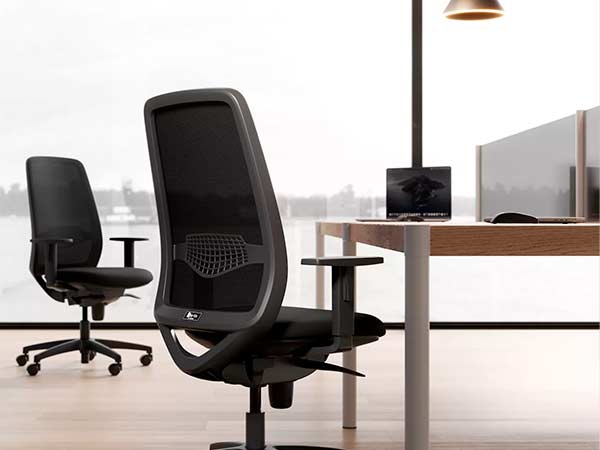
Entry-level operational chairs for standard workstations in open spaces and back-office areas, where large quantities of reliable chairs are required at contained costs.
Coworking
Budget chairs for flexible and shared workstations, ideal for high-turnover coworking spaces that require basic ergonomics and easy maintenance.
Temporary workstations
Lightweight and easy-to-move chairs for temporary desks, hot desks and support workstations where use is not continuous but regulatory compliance is still required.
Call centres
Entry-level operational chairs for large call centre environments, designed for prolonged everyday use with essential mechanisms and robust components.
Polypropylene bases as a resistant, lightweight and economical solution
Five-star polypropylene bases are the most convenient solution thanks to their lightness, wear resistance and contained production costs. Although more economical than metal bases, they guarantee adequate stability for everyday operational use, complying with the minimum standards required by UNI EN 1335.
The reduction in weight makes it easier to move chairs within the office and simplifies cleaning and space reconfiguration operations. For projects with a high number of workstations, polypropylene bases make it possible to optimise the budget while still maintaining sufficient professional quality for use in structured work environments.
Simplified free-floating or synchro mechanisms to contain the budget while maintaining ergonomics
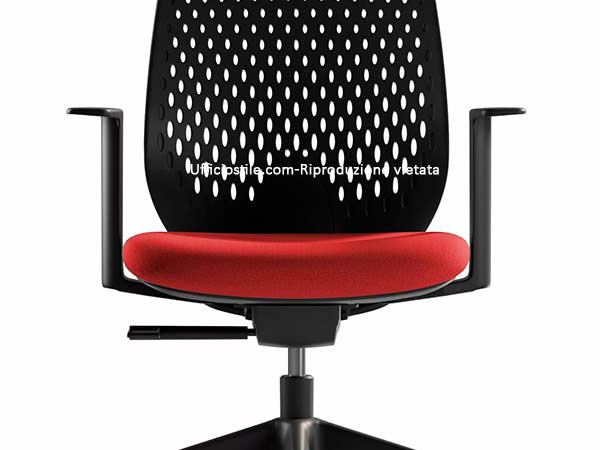
Simplified adjustment mechanisms, such as free-floating or basic synchro systems, make it possible to maintain a good ergonomic level while reducing mechanical complexity and, consequently, production and maintenance costs. They provide the essential adjustment points, such as backrest tilt and tension adjustment, required for everyday professional use.
This approach avoids advanced functions that are rarely used in standard operational environments, concentrating the investment on the features with the greatest impact on real user comfort. For companies and coworking spaces with budget constraints, simplified mechanisms represent an ideal compromise between cost, reliability and basic postural support.
Essential components to maximise production efficiency and savings
The choice of essential components, such as fixed or 1D adjustable armrests, plastic or basic mesh backrests and seats with standard padding, makes it possible to reduce production times and costs while maintaining full operational functionality. Fewer variants and less complexity mean more linear processes, greater warehouse availability and faster deliveries.
Despite the simplification, these chairs are designed to offer essential durability and sufficient comfort for office use. For many contexts, such as temporary workstations, large open spaces or call centres, this level of equipment is perfectly adequate and makes it possible to allocate the remaining budget to other aspects of the project, such as acoustics or lighting.
UNI EN 1335 compliance to guarantee quality and safety even in budget chairs
Despite their economical positioning, entry-level operational chairs are designed to comply with UNI EN 1335, which defines minimum safety, stability, dimensional and ergonomic performance requirements for work chairs. This makes it possible to use budget chairs also in structured professional contexts and in environments subject to checks and audits.
Regulatory compliance protects both employers and end users, reducing the risk of issues related to incorrect posture or products not suitable for intensive use. Entry-level chairs therefore become an effective tool for furnishing large numbers of workstations without falling below a minimum level of quality and safety recognised at European level.
Recommended entry-level operational chair solutions
FAQ
Yes, polypropylene bases guarantee good durability and stability for everyday operational use, while maintaining reduced weight and contained costs compared to metal.
Yes, basic free-floating or synchro mechanisms offer the essential adjustments for professional use, guaranteeing minimum comfort and adequate postural support for most standard office activities.
It is fundamental: UNI EN 1335 defines requirements for dimensions, safety, stability and ergonomics. A certified chair ensures minimum quality parameters and can be used in regulated professional contexts.
Entry-level operational chairs offer essential comfort, suitable for normal office working hours. For specific requirements or more intensive than average use, models with advanced ergonomic features can be considered, while still keeping overall project costs under control.
Yes, these chairs are particularly suitable for open spaces, call centres and large-quantity projects, where it is essential to combine regulatory compliance, basic ergonomics and budget optimisation per workstation.